I Hate to Be Pigeonholed

Welcome to my Second Acts Series!

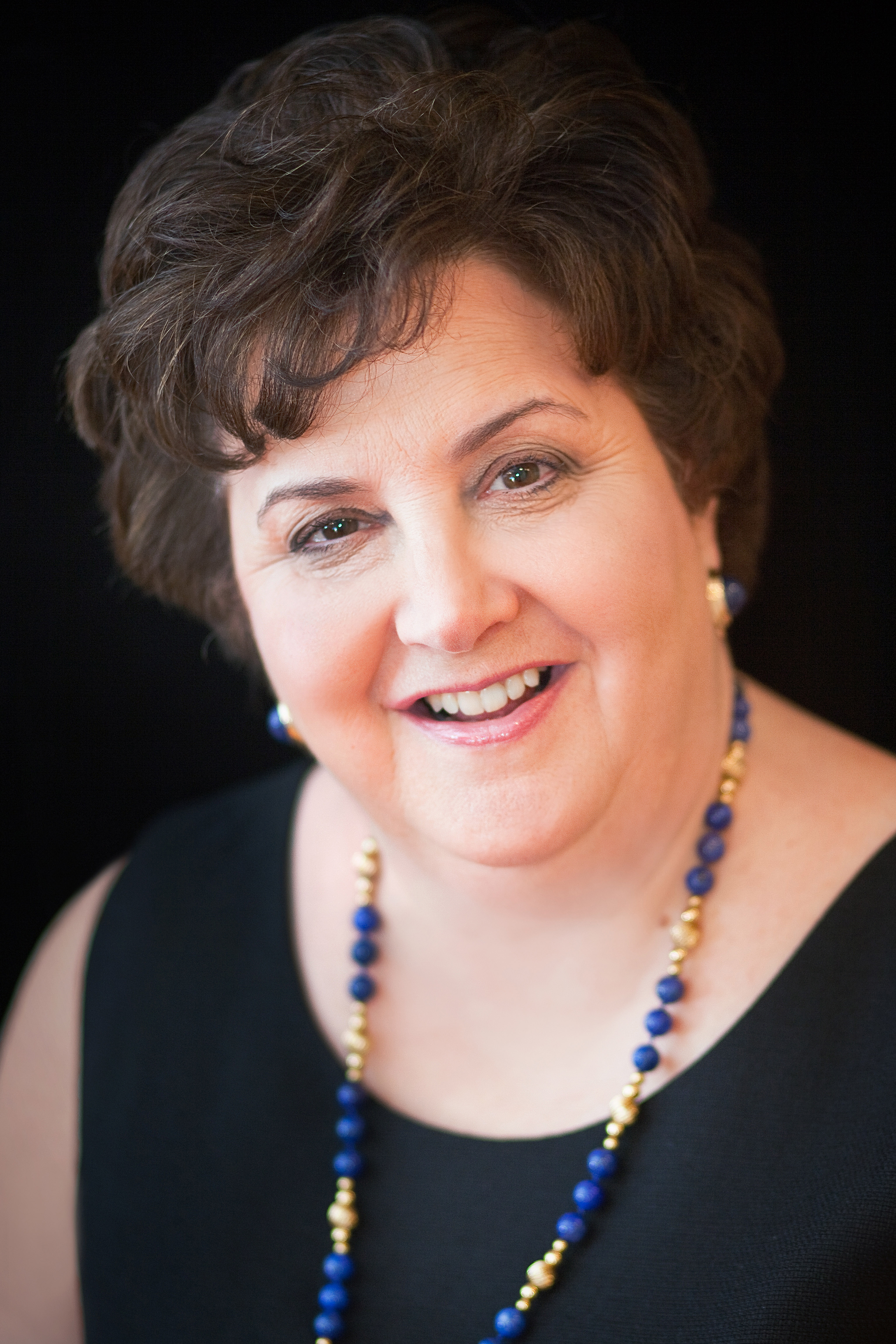
Today, we have Debra H. Goldstein talking about a childhood promise, high-powered careers, and writing.

Here’s Debra!

debraWhen I was a child, I spoke so quickly I couldn’t be understood.  My parents dragged me to professional speech therapy supplemented by reading poetry aloud every night. My favorite poem was John Greenleaf Whittier’s “Barefoot Boy.”  It inspired me to never want to be confined in my thoughts or actions.

My resolution to think outside the box resulted in choosing to graduate college a term early, determined to immediately go to New York to try to accomplish two goals:  landing a publishing job and getting on Jeopardy.   Lest you not think me pragmatic, by day I looked for a job while at night I applied for admission to law school. Eight months later, my two goals fulfilled, I started law school.  I figured down the road, I would mesh writing and law.

My first job out of school was as a corporate international tax attorney.  I hated it.  A year later, I gave up my big salary and benefits to become a trial attorney for the U.S. Department of Labor.   I loved litigation and kept my hand in writing by producing a number of boring legal articles and continuing legal education pieces.  After a few years I reached a fork in my legal career—continue as a litigator or seek a federal administrative law judicial appointment.  Many people advised me not to get my hopes up as I was in my thirties and the average age for a federal Administrative Law judge was fifty-eight, plus only thirteen women held the position in the country.  I applied anyway.  In 1990, whether because of luck, having tried an equal pay case of first impression, or I don’t know what, I became one of the youngest people ever appointed as an Administrative Law Judge.  During the next twenty years, I carried a heavy docket, raised four children, was a wife, volunteered in the community, and continued to write legal articles and decisions.  I also was the go to person for party skits, but other than occasionally commenting that I’d like to write, that was as far as my creative writing went.

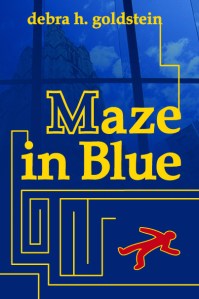
Maze in Blue Front CoverIn 2009, two friends challenged me to stop talking and actually write.  One went so far as to loan me a beach condo for a weekend.  I left that condo with eighty-five hand-written pages and the confidence I could write a book.  Maze in Blue, a mystery set on the University of Michigan’s campus in the 1970’s, was published in 2011.  It contained four or five pages from the original eighty-five.  Between juggling promotional appearances, signings, my continued responsibilities as a judge, and making a consistent effort to write non-fiction and fiction pieces, the next two years flew by. I found myself joking that I had a day and a night job.

I started to feel I only wanted to do one of these jobs.  When I announced that I was stepping down from the bench, my colleagues thought I was crazy.  They pointed out that the last three judges to retire from our lifetime appointments were 89, 86, and 79.  I responded that I had been on the bench twenty-three years and that with luck I might have the opportunity for my new career to last as long or longer.

Will I write the great American novel?  Probably not, but I’ve been enjoying a very diverse new career.  It includes writing non-fiction, fiction, and beach or bedside fun pieces like my 2012 IPPY Award winning novel, Maze in Blue, and the book I now am shopping, Should Have Played Poker:  A Mah Jongg Murder Mystery, which recently won an Alabama Writers Conclave First Chapter Award.  Whether this is my final act or an interim one, I know the variety of things I have done and people who have influenced me can all be tied back to the decision I made in childhood to never be pigeonholed.

Bio

Judge, author, litigator, wife, step-mom, mother of twins, civic volunteer, University of Michigan grad, and transplanted Yankee are all words use to describe Debra H. Goldstein. Her writings are equally diverse. Her debut novel, Maze in Blue, a murder mystery set on the University of Michigan’s campus in the late 1970’s received a 2012 Independent Book Publisher (IPPY) Award. Even though Maze in Blue is a murder mystery, it is a safe bet that when it comes to her writing, “It’s Not Always a Mystery.”

Where to find Debra…

Website:  www.DebraHGoldstein.com

Blog:  http://debrahgoldstein.wordpress.com

Twitter:  https://twitter.com/DebraHGoldstein

Joanne here!

WOW! Thank you, Debra, for giving us glimpses of the beautiful life tapestry you have expertly woven.

Second Act Reflections

Welcome to my Second Acts Series!

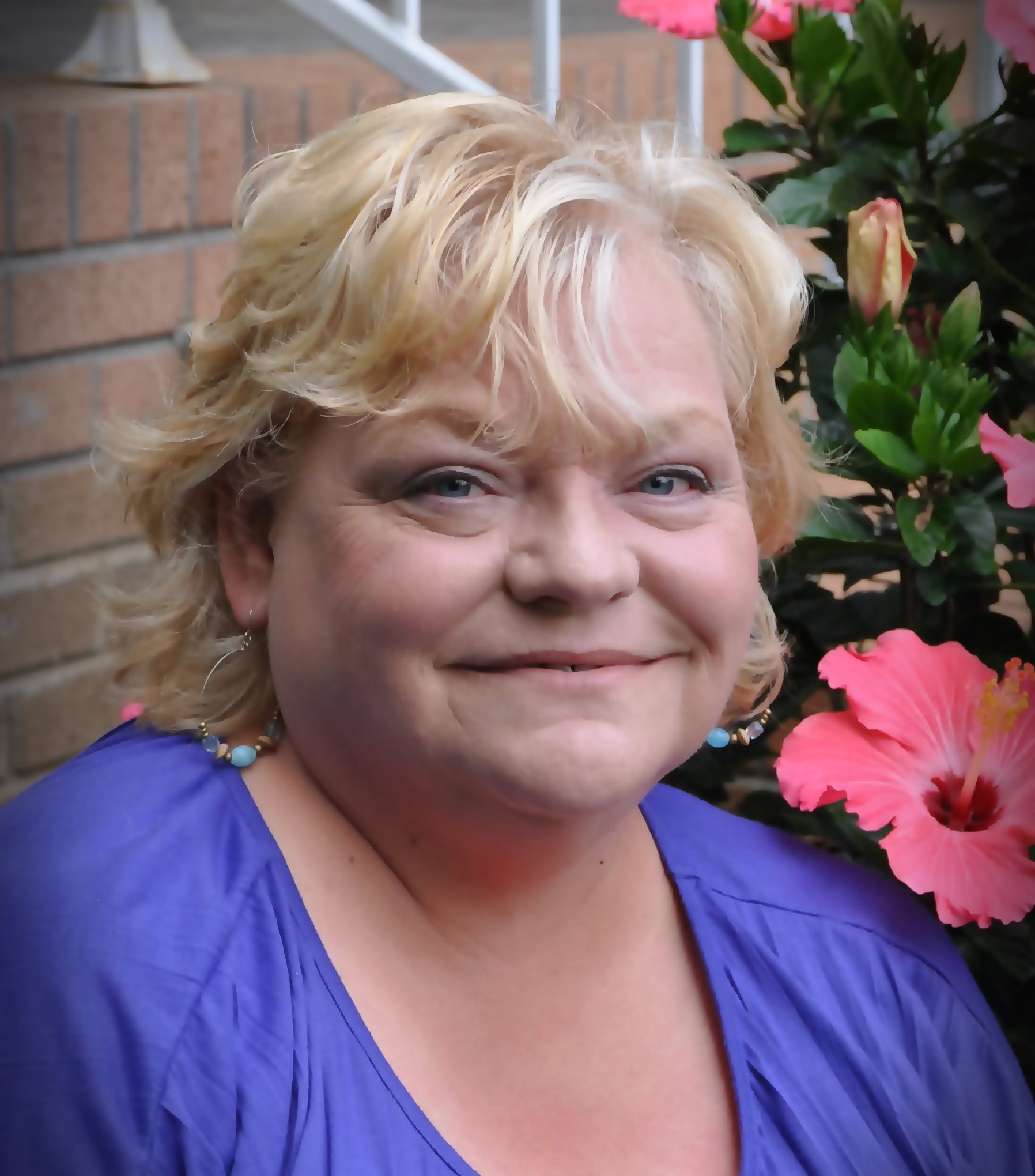
Today we have Lynn Chandler Willis reflecting on forgiveness, redemption and second chances.

Here’s Lynn!
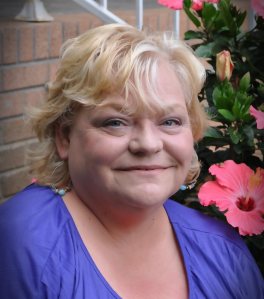
headshotprofileI knew early on I wanted to be a writer. I thrived on junior high and high school writing prompts. I wrote short stories, misguided novels, song lyrics, poems, greeting cards, journal entries, newspaper articles…you name it, I wrote it.

So when the opportunity to pen a True Crime book came about, I jumped at it. I was familiar with the crime – it happened in the small town where we lived. I even knew the suspects. I had covered the story for the local community paper and knew it inside and out.

I pitched the idea to a True Crime publisher and they wanted it. The book, Unholy Covenant, was published in 2000. It would be thirteen years before I published another.

It wasn’t the dreaded sophomore slump that prevented the words from flowing. They flowed fine. I just couldn’t bring myself to pursue having anything else published. It took me many years to figure out why. The publisher of Unholy Covenant wanted more. He really liked my style. But, I kept remembering something he had said early on in our publishing relationship – True Crime has to have a murder. Someone has to die. And as cold as it seems, the bottom line was the more sensational the murder, the higher the profits.

I just didn’t have the backbone for it. Knowing people in my community thought I was profiting from a neighbor’s tragedy made me re-think the whole writing gig. Yes, I gave the victim a voice, and I told her story…but still…the reality was always there. A family lost their daughter in the most horrible way. No amount of pretty prose would ever change that.

But, like I said, during my thirteen year hiatus I never stopped writing. I just stopped submitting for publication. Until I ran across a call for submissions from Pelican Book Group. I read over it, and read over it again, and within the hour, The Rising was on its way to Pelican. It’s a story involving forgiveness, redemption, and second chances. It was a perfect fit, for us both.

The Rising was released through Harbourlight/Pelican Book Group in July. This time around comes with no mixed emotions. I’m very proud of the work that went into bringing it to life and humbled by the welcoming it has received. Is it my story? Not really. I’ve never dated anyone as handsome as Jesse.

Bio

Lynn Chandler-Willis has worked in the corporate world (hated it!), the television news business (fun job) and the newspaper industry (not a fan of the word “apparently” and phrase “according to”). She keeps coming back to fiction because she likes making stuff up and you just can’t do that in the newspaper or television news business.

She was born, raised, and continues to live in the heart of North Carolina within walking distance to her kids and their spouses and her nine grandchildren. She shares her home, and heart, with Sam the cocker spaniel.

She is the author of the best-selling true crime book, Unholy Covenant. The Rising is her debut novel.
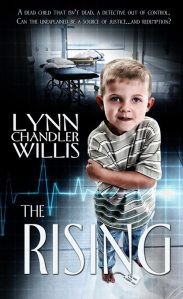
 TheRisingcoverBlurb

A little boy, beaten and left to die in an alley. A cop with a personal life out of control. When their worlds collide, God intervenes. Detective Ellie Saunders’s homicide investigation takes a dramatic turn when a young victim “wakes up” in the morgue. The child has no memory prior to his “rising” except walking with his father along a shiny road. Ellie likes dealing with facts. She’d rather leave all the God-talk to her father, a retired minister, and to her partner, Jesse, a former vice cop with an annoying habit of inserting himself into her life. But will the facts she follows put Ellie’s life in mortal danger? And will she finally allow God into her heart forever?

Excerpt

“Jack told me you were at lunch. Caper’s is one of my favorites, so I thought I’d take a chance.” He winked at her then sidled closer. “Anyway, I was thinking about your dead kid—“

“He’s not dead.”

A waitress slammed a sandwich down in front of Ellie, and Jesse helped himself to a homemade chip.

“OK, so he’s not dead. You have sent his picture to the National Center for Missing and Exploited

Children?”

She huffed. “Did Jack send you?”

“No, Jack didn’t send me. I was just thinking if the center didn’t get a hit, I’ve got a few connections with the FBI, and they’ve got some really cool equipment.”

Ellie pulleda piece of bacon from her sandwich and chewed on one end. “Thanks, but no thanks. I really don’t want the Feds involved.”

Jesse snatched another chip and shook his head. “No black suit with shades is going to swoop in and take your case, Detective Saunders.” He grinned and helped himself to another chip. “I thought we could get them to run his picture through the facial recognition scanner. Maybe we’ll get a hit.”

What was with all the we stuff? The case was complicated enough. The last thing she needed was Jesse involved. She didn’t need a constant reminder of her downward spiral.

Where to find Lynn…

Website: http://lynnchandlerwillis.com/

Facebook: https://www.facebook.com/pages/The-Rising-by-Lynn-Chandler-Willis/326832037448082?ref=hl

Twitter: https://twitter.com/LCWillis

Goodreads: http://www.goodreads.com/author/show/438147.Lynn_Chandler_Willis

Pinterest: http://pinterest.com/lynncwillis/boards/

Joanne here!

Lynn, thank you for sharing your extraordinary journey and reminding us that pauses can be powerful and lead to breakthroughs.

 

A Second Act with Al Capone

Welcome to my Second Acts Series!

Today, we have Linda Bennett Pennell talking about changing direction, taking risks and Al Capone.

lindapHere’s Linda!

Life can at times be frustrating, joyous, depressing, boring, even mysterious. It is not always clear in the moment why things happen as they do, but one thing is for certain, unless we make the best of what we’ve been given, life cannot be lived to the fullest. I think I always knew this, but it took a change in direction and taking a risk to grasp its true meaning.

I never intended to be a writer. In fact, as an elementary student, I despaired of even being competent in the language arts. It should be said that my early education left a great deal to be desired, but that is another story. It was not until my senior year of high school that I had a rewarding creative writing experience. Thank you, Miss Miller, wherever you are. Once in college, however, I put aside creative writing for the rigors of historical research and expository writing. Another degree and several certifications later and I have come full circle.

My other life is in public education as a reading specialist and secondary school administrator, but about five years ago after I “retired” to part time work, I decided to pick up my creative “pen” again. I can’t say exactly why or when the decision was made. That is one of those mysteries. All I can say is that I came to feel a burning desire to write and the experience has been a revelation and a joy.

It hasn’t been all easy sailing. Nothing in life worth having ever really comes without some pain. Sending out queries and the rejections that came with them were not particularly fun, but it was not as difficult as I thought it would be. With a debut novel that is being well received, I can now say that the process was definitely worth the risk. Most importantly, my venture in writing has allowed me to reinvent myself. We humans are truly multifaceted creatures, but unfortunately we tend to sort and categorize each other into neat, easily understood packages that rarely reveal the whole person. Writing has allowed me to tap into skills and talents I had all but buried for many years. I am a newer, better version of myself for the experience.

Perhaps you, too, want to step out of the box in which you find yourself. I encourage you to look at the possibilities and imagine. Be filled with childlike wonder in your mental wanderings. Envision what might be, not simply what is. Let us never forget, all good fiction begins when someone says to herself or himself, “Let’s pretend.”

Blurb

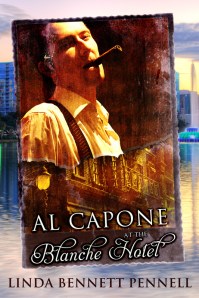
alcapone2Al Capone at the Blanche Hotel tells a story of lives unfolding in different centuries, but linked and irrevocably altered by a series of murders in 1930.

Lake City, Florida, June, 1930: Al Capone checks in for an unusually long stay at the Blanche Hotel, a nice enough joint for an insignificant little whistle stop. The following night, young Jack Blevins witnesses a body being dumped heralding the summer of violence to come. One-by-one, people controlling county vice activities swing from KKK ropes. No moonshine distributor, gaming operator, or brothel madam, black or white, is safe from the Klan’s self-righteous vigilantism. Jack’s older sister Meg, a waitress at the Blanche, and her fiancé, a sheriff’s deputy, discover reasons to believe the lynchings are cover for a much larger ambition than simply ridding the county of vice. Someone, possibly backed by Capone, has secret plans for filling the voids created by the killings. But as the body count grows and crosses burn, they come to realize this knowledge may get all of them killed.

Gainesville, Florida, August, 2011: Liz Reams, an up and coming young academic specializing in the history of American crime, impulsively moves across the continent to follow a man who convinces her of his devotion yet refuses to say the three simple words I love you. Despite entreaties of friends and family, she is attracted to edginess and a certain type of glamour in her men, both living and historical. Her personal life is an emotional roller coaster, but her career options suddenly blossom beyond all expectation, creating a very different type of stress. To deal with it all, Liz loses herself in her professional passion, original research into the life and times of her favorite bad boy, Al Capone. What she discovers about 1930’s summer of violence, and herself in the process, leaves her reeling at first and then changed forever.

Where to find Linda…

Website: http://www.lindapennell.com/

Amazon: http://amzn.to/16qq3k5

Facebook: https://www.facebook.com/AuthorLindaBennettPennell

Joanne here!

Thank you, Linda for sharing your journey. It is an inspiring one that will provide hope and encouragement to all writers and creatives.  Al Capone at the Blanche Hotel is simply riveting and should be on everyone’s ‘To Read’ list.

Writer or Author?

writer

Fellow GWIN member Lisa Ivaldi asked, “Do you want me to add Author to your profile?

Author with a capital A.

My heart beat faster as I considered the implications of that particular title.

According to the dictionary, a writer “expresses ideas in writing” or “is engaged in literary work” while an author is an “originator or creator of written work.”

The definitions appear similar, but there is a definite difference, one clearly articulated by many English teachers: “You become an author when your books are published, but if your writings never publish, you remain a writer.”

Best-selling author Dean Wesley Smith has a different take on it.

He strongly believes that “a writer is a person who writes, an author is a person who has written.” According to Smith, writers focus on the process of writing and as soon as they publish one book they’re onto the next. On the other hand, authors devote their energies to promoting their book instead of writing the next one.

It is no surprise that Smith considers himself a writer as opposed to an author, having written more than 100 novels and 200 short stories. And his final advice is sound: “Authors are missing the best promotion tool there is for their old books. Their next book.”

While I agree with Smith’s advice, I tend to gravitate toward the more traditional definition of an author. The word has a more professional ring to it, declaring  that a writer is finally taking his/her craft seriously.

A fact that wasn’t so apparent when I first launched my second act as a writer.

For three years, I dabbled. Travel writing. Business articles. Blogging, Poetry. Cozy mystery. Angel stories. Memoir.  Fantasy. Depending on which online course or workshop I attended, I immediately embraced the new genre and tried my hand at it.

I met with modest success and  enjoyed seeing my articles, book reviews and short stories in newspapers, magazines and online. Interestingly enough, most editors included the following short bio: “Joanne Guidoccio is a Guelph writer.”

With the launch of my debut novel, Between Land and Sea, close at hand, I feel confident and ready to call myself an Author.

author2

A Spectacular Second Act

cathymarieFor the longest time, Cathy Marie Buchanan hesitated to call herself a writer.

With her impressive credentials, BSc in Biochemistry and an MBA, Buchanan obtained positions in finance and marketing at IBM. During her academic years, however, she steered away from anything that reminded her of the less-than-stellar performance in Grade 13 English. A self-proclaimed poor speller, she avoided all essay-based courses. It wasn’t until much later that she stumbled upon evening classes in creative writing.

In spite of the late start in her forties, Buchanan wrote and launched two highly acclaimed novels: The Day the Falls Stood Still and The Painted Girls. Both books have been enthusiastically received and reviewed in Canada and the United States. The Painted Girls has been optioned for a TV series with the CW Network.

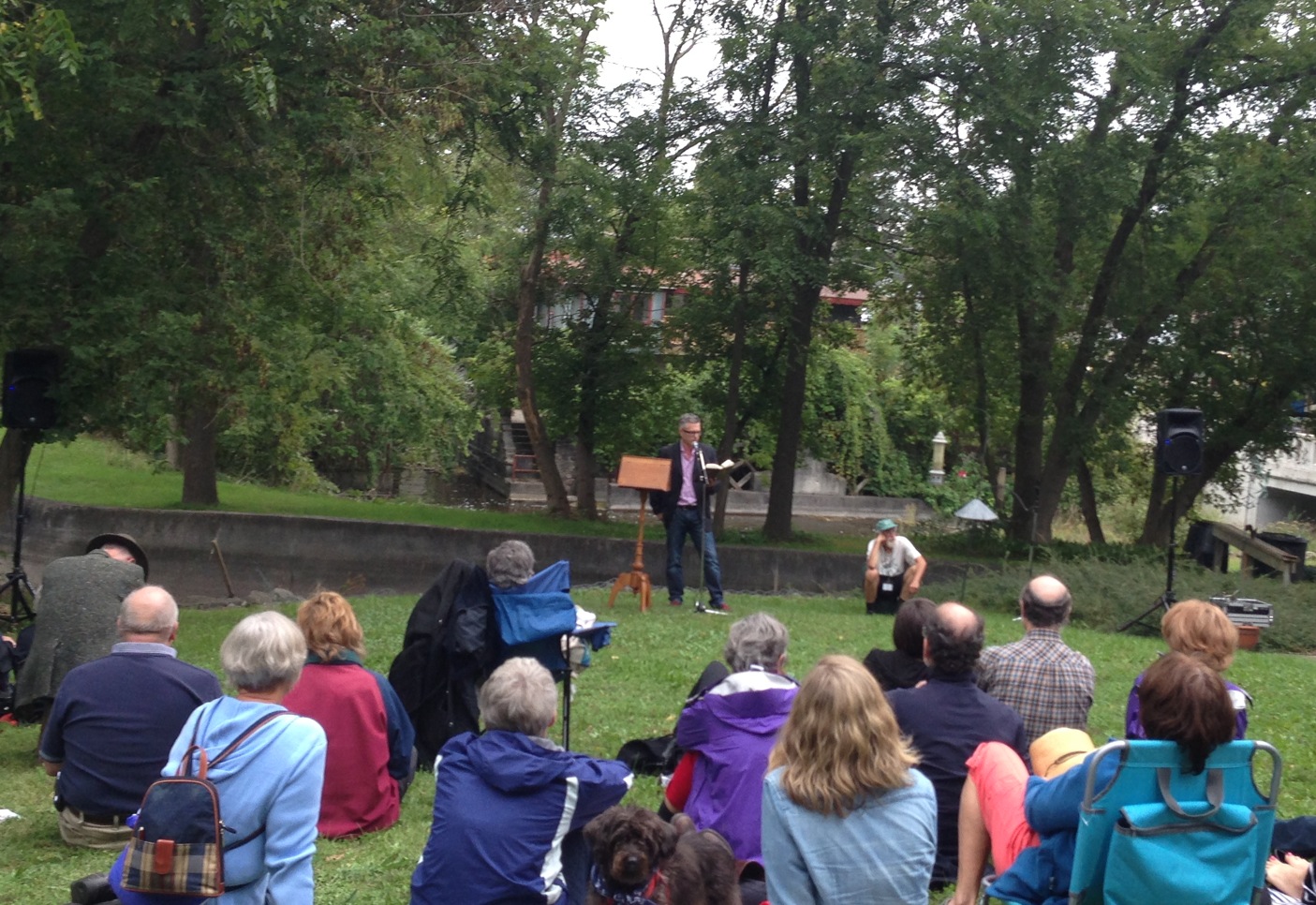
At last night’s reading (Guelph Public Library), she discussed the historical background behind the two novels and gave us insight into her writing process.

While listening, I realized why she has been described as the perfect author.

Her painstaking research takes six months to complete. Glimpses of the well-disciplined scientist are evident in the descriptive detail; she leaves very few stones unturned. After reading numerous texts and essays about Marie van Goethem, the girl behind Degas’ famed sculpture, Little Dancer Aged Fourteen, Buchanan went to Paris to complete the last phase of her research. She walked the streets that Marie walked, sat in on a class of fourteen-year-old ballet students, and attended a ballet.

The actual writing of the first draft and the final rewrite each took one-and-a-half years. An improvement, she joked, over The Day the Falls Stood Still which took two-and-a-half years to rewrite.

She may have left the corporate world behind, but she still maintains her professionalism. To this day, she works Monday to Friday, 9 to 5, and disciplines herself to write before visiting Twitter and Facebook.

A spectacular second act and inspiration for all of us!


Creating Characters

editing1Yesterday, twenty of us gathered at Symposium Restaurant for a workshop with award-winning author J.K. Coi. Having written several novels in the urban fantasy, contemporary and paranormal romance genres, Coi is best known for creating compelling characters that “leap off the page and into readers’ hearts.”

Some of her tips…

1.Strong characters will offset weak plots.

2. Allow your characters to have flaws. There is no tension or growth in a perfect character.

3. Keep in mind that believable does not translate into realistic. Inject an element of fantasy to entertain the reader.

4. Make your character so unique that they couldn’t be dropped into any other book.

5. Feel free to make tweaks and twists that readers will appreciate, but not throw them out of the story.

6. Avoid cliches but respect reader expectations. If you must deviate, add humor or provide an appropriate back story.

7. Character-driven books have depth and are more memorable than plot driven stories.

8. Give your characters complicated relationships.

9. Secondary characters are there only because they have a purpose. They should not be more interesting than the protagonist.

10. Use other characters to reveal the protagonist’s blind spots.

11. Figure out the intricacies of the characters before starting the novel.

Coi also provided us with information about Romance Writers of America and Toronto Romance Writers.

Thanks to Cindy Carroll of Guelph Write Now for organizing this event.

Asking Rhetorical Questions

question1“Are any of you being hosed?”

Brian Patton’s question took us all by surprise. It was not the preamble we were expecting from the seasoned Toastmaster, but as Brian continued with his speech, it quickly became apparent just how effective that initial question really was.

That is the power of a rhetorical question.

Often asked for effect, a rhetorical question can emphasizes a point, present a challenge or serve as a call to action. Brian’s question immediately engaged all of us and forced us to actively listen instead of passively sitting back and absorbing very little.

Some well-known rhetorical questions include…

“Marriage is a wonderful institution, but who would want to live in an institution?” (H.L. Mencken)

“Aren’t you glad you use Dial? Don’t you wish everyone did?” (1960s television advertisement)

“If practice makes perfect, and no one’s perfect, then why practice?” (Billy Corgan)

On the lighter side (From House M.D.)

Dr. Cameron:  Why did you hire me?

Dr. House: Does it matter?

Dr. Cameron: Kind of hard to work for a guy who doesn’t respect you.

Dr. House: Why?

Dr. Cameron: Is that rhetorical?

Dr. House: No, it just seems that way because you can’t think of an answer.

While crafting rhetorical questions can be challenging, toastmasters and writers should not shy away from this effective literary device. Consider the following tips:

1. Use these questions sparingly. If you have too many rhetorical questions in a speech, you can overwhelm and confuse the listener. One well-worded question in the introduction will give the audience members enough time to digest the information that follows.

2. Provide the answer to the question. While the question isn’t meant to be answered by the audience, it should be answered by the toastmaster who follows up with relevant material.

3. Hook the audience with a rhetorical question instead of an emotionally charged statement.  For example, if you are trying to rally support for an anti-bullying campaign, you could ask: “How many more children must be bullied before we take action?”

My Take on Boomer Lit

9188269_s

We’re the young generation,
And we’ve gt something to say.

Almost five decades have passed since I first heard those catchy lyrics from The Monkees.  At age fifty-eight, the song continues to resonate with me.

I’ve still got something to say.

And so do seventy-eight million other baby boomers around the world.

We are fueling a growing demand for a different kind of literature, aptly called boomer lit. While it is entertaining to read about young vampires and twenty-something women wrestling with relationship and workplace issues, we want our own heroes who are not afraid to change the standard romantic and literary formulas.

Age-appropriate. Nostalgic. Finding meaning in the golden years. Or to quote LuAnn Schindler

Move over, chick. It’s time for the hen to strut her stuff.

I started to seriously “strut” my literary stuff five years ago. After retiring from a thirty-one-year teaching career, I decided to devote my second act to writing. Excited about my first novel, I anxiously awaited input from a visiting screenwriter. That conversation is still etched in memory:

Writer: “You’ve got an interesting storyline here. And I like how you’ve developed the  main female characters. But…

Me: Spill it. I can take it.

Writer: Most of the characters are over fifty. You need to bring in a couple of young’uns. Create a sub-plot with the protagonist’s niece and introduce a love interest for her.

Me: What do you mean by young’uns?

Writer: Characters in their twenties and early thirties. That’s what selling now.

Since then, I have encountered different versions of this conversation whenever I participate in writing workshops and seminars. Several instructors urged me to downplay the “boomer” elements in my books.

“Don’t mention anything about age in your query letter.”

“It’s okay to have an older woman as a sleuth. She’ll be invisible and that works well for sleuths. But make sure you surround her with younger characters.”

“Stay away from retirement homes, senior homes, and nursing homes. Don’t dwell on all that negative stuff. Too depressing.”

Hmm

Thankfully, the writers and producers of The Best Exotic Marigold Hotel, Quartet, The Intouchables and Downtown Abbey did not consider such misguided advice. I can’t even imagine creating younger characters to replace Maggie Smith, Dame Judy Dench, Bill Nighy or Francois Cluzet  in any of their outstanding roles.

I am equally impressed by Jeanne Ray, Lynda Rutledge, Debra Goldstein and other writers who have launched spectacular second acts.  Inspired by their stories, I  have continued to use boomers and their older siblings as protagonists in my novels and short stories. My determination and efforts are finally paying off. In the fall of 2013, Soul Mate Publishing will release my debut novel, Between Land and Sea.

Any other boomer lit success stories out there? I would love to feature you on this blog.

Related Articles…

Are You Ready For Boomer Lit? Laurie Boris

Boomer Lit: Romancing the Middle-Aged Reader by LuAnn Schindler

How I Reinvented Myself at 60 by Jeanne Ray

The Web Whisperer

get_image.php

On Friday, Web Development Librarian Randy Oldham facilitated a lively and interactive workshop on “Writing for the Web” at the University of Guelph.  In addition to presenting five tips, Oldham provided well-placed humor and several practice exercises to reinforce those concepts. I appreciated the gentle nudges and urged Oldham to consider a sideline as web whisperer.

Be Concise

Words cost us brain power and time. If we imagine that each word has a cost and that our users are cheap, we will make an effort to get our copy down to the bare basic facts.

Good questions to ask…

What is the point of this page?

What content on the page fits with my expectations?

What doesn’t belong with the title?

Have I gone into too much detail?

Are my introductions too long?

Make it Scannable

Oldham informed us that three out of every ten people are color blind. So, when we use—and often overuse color—we are disenfranchising thirty percent of the population.

Other suggestions…

Break information into manageable chunks by using bulleted or numbered lists.

Keep sentences short and avoid long paragraphs.

Don’t use italics or the underline feature.

Use boldface sparingly and smoothly.

Select sans serif (Arial) over serif (Times New Roman) font.  Eyes will fatigue when reading serif font. Size: at least 12 point.

Avoid unnecessary images.

Use Active Voice

The passive voice is jarring to read and makes us sound robotic. On the other hand, the active voice makes sentences shorter and easier to read.

Be Conversational

Make web content friendly and easy to read.

 Link Smoothly

When you include tons of links on your page, you detract from your credibility. Aim for no more than five links in a post.