Inspired by Sue Williams

Yesterday, I attended the “Crafting of a Memoir” workshop facilitated by author Sue Williams at the University of Guelph. An occupational therapist with over thirty years of experience, Sue has written a memoir, Ready to Come About, the story of a mother’s sailing adventure on the high seas.

Sue’s Backstory

For most of Sue’s life, fibre arts (appliqué) was her primary creative outlet. In her fifties, she experienced a perfect storm of personal events, among them her husband’s health crisis and his sudden job loss, her sons’ tumultuous road to adulthood, and her struggle as a parent to let go.

Sue decided to help her husband realize his dream to cross an ocean. Together, they set sail for the North Atlantic. Toward the end of their journey, Sue realized she had a story to tell, one filled with drama, plot, emotion, and interesting people.

At yesterday’s meetup, Sue shared anecdotes and insights from her life-changing trip and advice about the memoir-writing process. A short Q & A period followed.

Here are eight nuggets that captured my interest:

• Take note of the difference between narrative nonfiction and creative nonfiction. Biographies and autobiographies are written using narrative nonfiction. This approach is fact-based and includes more telling. Creative nonfiction involves many of the elements—plot, imagery, setting, dialogue—used in novel writing. The writer can also inject personal thoughts, feelings, or opinions into the manuscript. This approach is recommended for memoir writing.

• Write from your real self, not how you would like others to see you. Include your strengths and insecurities. You must be believable if you want readers to relate to your story.

• At the editing stage, ask yourself: “Does it matter?” Sue took 30K words out of the first draft.

• Don’t repeat the same story twice. In the first draft, Sue shared details of all the storms encountered. After receiving input from a beta reader, Sue decided to limit herself to one “storm” story.

• Don’t write as a vanity project. Just because it’s true doesn’t mean it’s interesting.

• Use a journal if you need to vent about a failed marriage or other crisis. Get rid of the bitterness before writing the memoir.

• Prepare yourself to face the risks involved in writing a memoir. Do the opinions of others concern you? You may tick off the people who appear in your memoir and those who aren’t mentioned.

• Be patient and persistent. After six years and many drafts, Dundurn Publishing released Ready to Come About in May of 2019.

Blurb

Three hundred nautical miles from shore, I‘m cold and sick and afraid. I pray for reprieve. I long for solid ground. And I can‘t help but ask myself, What the hell was I thinking?

When Sue Williams set sail for the North Atlantic, it wasn’t a mid-life crisis. She had no affinity for the sea. And she didn’t have an adventure-seeking bone in her body.

In the wake of a perfect storm of personal events, it suddenly became clear: her sons were adults now; they needed freedom to figure things out for themselves; she had to get out of their way. And it was now or never for her husband, David, to realize his dream to cross an ocean. So she’d go too.

Ready to Come About is the story of a mother’s improbable adventure on the high seas and her profound journey within, through which she grew to believe that there is no gift more precious than the liberty to chart one’s own course, and that risk is a good thing … sometimes, at least.

Amazon (Canada) | Amazon (US) | Indigo | Dundurn Publishing

Memoirs Mentioned

Julie & Julia by Julie Powell
All the Wrong Moves by Sasha Chapin
Into Thin Air by Jon Krakauer
Precious Cargo by Craig Davidson
Angela’s Ashes by Frank McCourt
Swing Low by Miriam Toews
All My Puny Sorrows (a novel based on real life) Miriam Toews

Thanks to Karen Ralph and Vocamus Press for organizing this event.
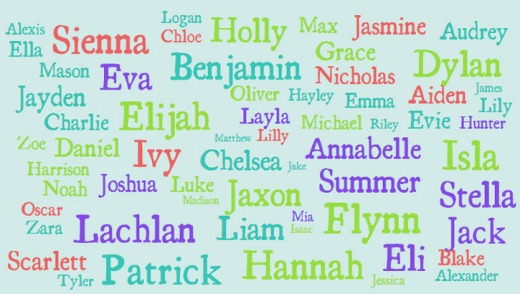
The Right Character Names

“How attached are you to the name Anna May?”

Sandy Isaac’s question took me and six other members of the critique group by surprise. While I appreciated most of the suggestions I had received, I wondered about Sandy’s question. Anna May Godfrey is the villain in A Season for Killing Blondes. I had spent several years in Anna May’s company and wasn’t prepared to change her name.

Sandy noticed my hesitation and explained her resistance to the name. Said quickly, Anna May becomes “anime,” a style of animation often featuring themes intended for an adult audience. Two of the other members nodded while five of us merely shrugged. But Sandy’s concern raised several questions in my mind.

How would my readers respond?

Would they make the same connection as Sandy?

Would Anna May’s name suit or hinder her villain status?

Continue reading on the Sisterhood of Suspense blog.

How to Get Your Story Published in Chicken Soup for the Soul

On Wednesdays, I share posts, fables, songs, poems, quotations, TEDx Talks, cartoons, and books that have inspired and motivated me on my writing journey. I hope these posts will give writers, artists, and other creatives a mid-week boost.

Yesterday, Chicken Soup for the Soul released Angels All Around, a collection of 101 fascinating tales about miracles, divine interventions, and answered prayers. I was thrilled to have my essay, “Prayers and Positive Thoughts,” included in the anthology.

Since 1997, more than 250 Chicken Soup for the Soul books have been published and over 500 million copies sold. Each volume receives thousands of story submissions from writers worldwide.

Here are Publisher Amy Newark’s best story writing tips:


To Prologue or Not to Prologue

Whenever I’ve asked a writing instructor or workshop facilitator about prologues, I’ve encountered a variety of negative facial expressions—everything from a wince to a frown to a quick shake of the head. And the following responses:

Prologues = Information Dumps.

Agents hate prologues.

Readers will skip to the first chapter.

One instructor offered a ray of hope: Use only if the prologue adds an interesting and integral layer to the narrative.

Continue reading on the Sisterhood of Suspense blog.

Loving Those Oxymorons

Technically they’re oxymora, but according to the wordsmiths, oxymorons can be used as the plural form.

Whatever form you choose to use, one thing is certain: Oxymorons attract attention. And people who like to pepper their conversations with these literary devices are well aware that their listeners will stop and think, wondering whether they should laugh or not.

Continue reading on the Soul Mate Authors blog.

On Planting Red Herrings

Red_HerringWhen I shared an early draft of A Season for Killing Blondes, a beta reader complimented me on my use of red herrings and suggested the title could also be considered a red herring.

Puzzled, I asked for clarification.

She explained, “A red herring is a literary device that leads readers toward a false conclusion. Glancing at the title, I expected to read a thriller about a serial killer who had designated a specific time period for the Rampage.” She winked. “That’s definitely not the case here.”

A bit worried, I wondered if I was misleading my readers. Would they expect a thriller and be disappointed when my novel turned out to be a cozy?

Continue reading on the Sisterhood of Suspense blog.

Replenishing My Inner Well

In 1992, I picked up a copy of The Artist’s Way by Julia Cameron. Hoping to inspire and motivate my inner writer, I spent an entire weekend devouring the book and then decided to incorporate morning pages and artist dates into my life.

That enthusiasm fizzled after only one week.

At the time, I was in the thick of my career and personal life. Busy with course preps, curriculum meetings, extra-curricular activities, and family health issues, I found myself unable to even consider adding one more activity to my schedule.

Continue reading on the Soul Mate Authors blog.


Inspired by Dr. Ross Pennie

This past Saturday, I attended the “Writing Your Life & Other Personal Stories” workshop facilitated by Brian Henry in Guelph. A book editor and professor, Brian teaches creative writing at Ryerson University in Toronto and has led workshops everywhere from Boston to Buffalo and from Sarnia to Saint John. You can find out more about Brian here.

In the morning session, Brian shared tips and techniques for writing creative non-fiction. In the afternoon, one of his star students—Dr. Ross Pennie—shared his fascinating writing journey.

A bit of history…

In 1977, at the age of twenty-five, Dr. Pennie set off for a two-year posting at a Catholic Mission on a remote island in the South Pacific. He spent his days dealing with tuberculosis, malaria and other infectious diseases. Evenings, he would read, write letters and update his diary.
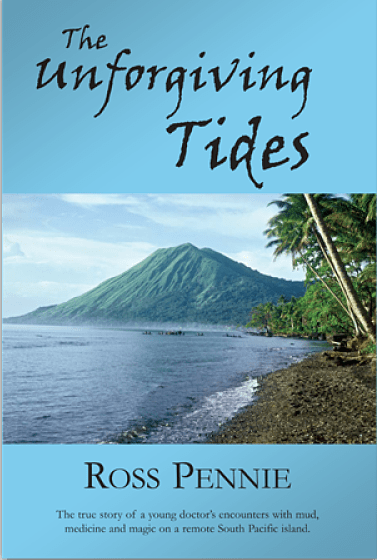
At the end of his posting, he returned to Canada and spent the next twenty years working as an infectious-disease specialist and daydreaming about writing his memoirs.

Finally, he took action and signed up for creative writing courses and workshops. He also analyzed other memoirs, read books on writers’ craft, and joined a writing group. It took him two and a half years to complete The Unforgiving Tides, which was released in 2004.

The logline is a tantalizing one: A young doctor encounters mud, medicine, and magic on a remote South Pacific Island.

He then tried his hand at fiction and wrote the well-received Dr. Zol Szabo medical mysteries. The first of these, Tainted, came out in 2010 and won the Arts Hamilton Literary Award for Fiction. He followed up with three more medical mysteries: Tampered, Up in Smoke, and Beneath the Wake.

After 39 years of working as an intensive-care pediatrician and infectious-diseases specialist at McMaster and Brantford General Hospital, Ross retired.

But he is not retired from writing.

In a 2017 interview with Hamilton News, he shared his love of the creative process: “I love spending time with the characters. They seem very real … it’s almost as though they live with us. I also find writing meditative. I enjoy being on my own, so there is a meditative and reflective aspect to it.”

At Saturday’s workshop, Ross shared practical advice about the memoir process.

Here are ten nuggets that resonated with me:

• Dribble the dry facts gradually into your story so that any one page is not filled with a laundry list of details. Do not confuse the reader with too many characters and too much technical jargon.

• Keep the narrator humble, vulnerable, embarrassed, noble, quirky, smart, but never arrogant.

• Leave yourself open to memories that bubble up unexpectedly.

• Exaggerate your deficiencies. (You will probably be telling it like it is!)

• Imagine that your mother and Grade 8 teacher are never going to read your memoir. This leaves you free to add healthy naughtiness. Some examples of healthy naughtiness include embarrassing situations, swear words, family secrets, petty criminal acts, and sexual encounters.

• Break grammar rules with pizzaz. But first, learn the grammar rules.

• Show the action and dialogue up close. Don’t just talk about it from a distance.

• Punctuate your stories with newsworthy events. Make a dated list of earth-shattering events that occurred during the period of the memoir such as wars, elections, assassinations, and natural disasters. Include some of these events in the memoir.

• Write frankly without bitterness.

• And most important of all … Persistence Writes the Memoir.

Find more about Dr. Ross Pennie here.


14 Tips from Stephen King

On Wednesdays, I share posts, fables, songs, poems, quotations, TEDx Talks, cartoons, and books that have inspired and motivated me on my writing journey. I hope these posts will give writers, artists, and other creatives a mid-week boost.

Here are 14 tips, distilled from Stephen King’s book On Writing: A Memoir of the Craft, a must-read for all writers and wannabe writers.


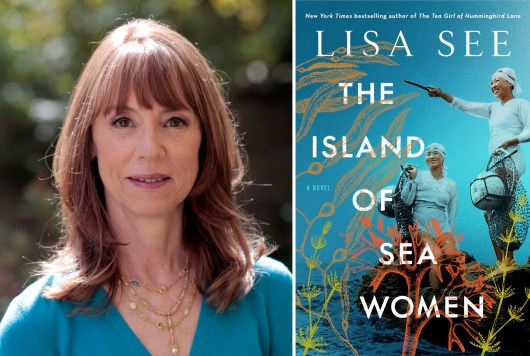
Lisa See Visits Kitchener

Yesterday, I attended “An Evening with Lisa See” at the central branch of the Kitchener Public Library. This 85 Queen Event was well attended by fans of the best-selling author of On Cold Mountain, Flower Net, The Interior, Dragon Bones, Snow Flower and the Secret Fan, Peony in Love, Shanghai Girls, and The Tea Girl of Hummingbird Lane.

Lisa See’s latest novel, The Island of Sea Women, was released earlier this month.

Kitchener reader, blogger, and dedicated volunteer Lizz DiCesare joined Lisa for an armchair conversation.

After announcing that she didn’t plan to read aloud, Lisa launched into the back story behind The Island of Sea Women.

Ten years ago, Lisa was sitting in the waiting room of a doctor’s office when she came across a short article about the haenyeo, female divers on Jeju Island off the South Korean coast. She ripped the page from the magazine and took it home.

After eight years of thinking about a possible story, she experienced a sense of urgency. Realizing that the work tradition would die within fifteen years, she decided to spend two years researching and writing the book.

While visiting Jeju Island, Lisa had a “full senses immersion” into the culture. She interviewed women in their 70s, 80s, and 90s and collected anecdotes about the matrifocal society of the island.

For generations, women divers supported their families by free-diving deep into the ocean to harvest its bounty. They possessed the abilities to hold their breaths for prolonged periods and withstand cold temperatures. Their husbands stayed home to raise the children and do menial chores.

Having read several of Lisa’s novels, I am familiar with her extraordinary attention to detail and focus on female relationships. She has always been intrigued by stories that have been lost, forgotten, or deliberately covered up.

The Island of Sea Women is sitting on my nightstand…I can’t wait to start reading!