I’m happy to welcome The Wild Rose Press author Kathleen Buckley to the Power of 10 series. Today, Kathleen shares interesting facts about eighteenth century food and drink and her novel, An Unsuitable Duchess.
Here’s Kathleen!
 I have enjoyed reading about the history of food since I was a child, and have done a good deal of research on the subject. Now that I write Georgian (18th century) romances, this hobby is becoming useful. This deals specifically with English/British eating habits, although most of this will apply to the American Colonies, too, with additions of foods specific to the New World.
1. They ate things we don’t: syrup of turnips, brain cakes (brains mixed with flour, salt, nutmeg and raw egg, fried in butter), calf’s foot pie, mutton ham, larks, lampreys, calf’s head surprise. Yes, really.
2. They pickled things we don’t: not only cucumbers and onions, but walnuts, beetroot, pigeons, barberries, celery, kidney beans, oysters and almost anything else you can think of.
3. Candy was completely different. No candy bars, no bon-bons, no fudge. An 18th century confectioner’s cookbook contained recipes for drying or preserving fruit, making jam, candying flowers (and other things), making wafers, biscuits (cookies), puffs, almond paste, creams, jellies, including hartshorn jelly, caraway comfits, clotted cream, and chocolate almonds (sugar and chocolate sifted together with musk and ambergris and some binding ingredients, molded into the form of almonds). The Compleat Confectioner, or The Art Of Candying & Preserving In Its Utmost Perfection, by Mrs. Eales, Confectioner to Queen Anne, 3rd ed., 1742.
4. Chocolate was used almost exclusively as a beverage until the 19th century, when the discovery of the “Dutch process” made chocolate’s use in candy and baking feasible. The “chocolate almonds” mentioned above would have been nothing like modern chocolate candy, as they were evidently made by grinding cocoa nibs. Though cocoa nibs are now a “thing” among foodies. Go figure.
5. Wafers, biscuits, cakes and tea cakes were plain. Cakes tended to fall into two categories: pound cakes and fruit cakes. They and the small cakes—the equivalent of cookies or cupcakes—often contained caraway seeds, rose water, wine or brandy, and a spices like nutmeg, mace, cinnamon, caraway, caraway comfits, and raisins or currants. Oh, and macaroons? They were made with ground almonds, not coconut. Very few cakes were iced.
6. Chelsea buns were the wildly popular specialty of the Chelsea Bun House (1712 to 1839), and no wonder. From contemporary descriptions, these yeast buns were filled with currants or raisins, lemon peel, butter, sugar, and spice, rolled up like our cinnamon rolls, baked and then coated with a sugar and water glaze. Other bun recipes of the period are very plain indeed. The families of both George II and George III visited the Bun House to indulge.
7. People ate what was in season, and what they could afford. Fruit and vegetables were not available all year as they are now, thanks to modern transportation. If you wanted fruit in the winter, you preserved it when it was available. Meat and fish were dried, pickled, salted or potted (by cutting it up, pounding and seasoning it, baking until it was soft, draining off any liquid or fat, putting it into a pot and covering the contents with clarified butter which presumably then sealed it).
8. Tea was the most popular non-alcoholic beverage, although it was expensive. Men socialized in coffee and chocolate houses. Everyone drank beer as a thirst-quencher. Gin was the scourge of the London poor.
9. Your 18th century dinner will probably not include potatoes. I found occasional recipes for potato pie and potato pudding. The 1805 edition of Hannah Glasse’s popular cookbook suggests boiling potatoes in their skins, removing the skins, and either buttering them or browning them on a gridiron or in beef dripping.
10. Meals were … different. If you could afford to eat well, your diet was heavy in meat and light in vegetables. Susanna MacIver’s late 18th century cookbook, intended for the “genteel and middling classes” suggests family dinners of five to fifteen dishes. This is a sample of a ten dish dinner (taken in the middle of the day):
Salmon – roast turkey – stewed celery – fried fish – marrow pasty – soup – baked pudding – veal cutlets – sliced turnips and carrots with melted butter – boiled tongue and udder with roots (root vegetables)
Supper was lighter and simpler. MacIver lists a page of possibilities, including hot or cold meat or fowl, pies, tarts, creams (think custardy things), anchovies, poached eggs with sorrel, and vegetables, from which “any lady of the smallest experience may form suppers of any extent according to the articles that are in season.”
If you were wealthy, your meals would be more elaborate. The poorest seldom had any cooking facilities, and probably bought their food in taverns or from street vendors. Bread, cheese, gin and beer were staples of their diet. Riots occurred when the price of wheat rose.
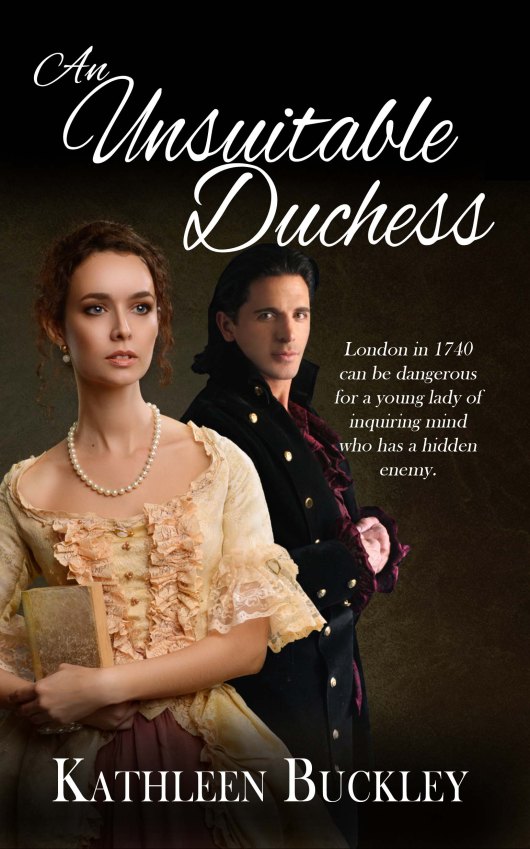
Blurb
After her guardian’s death, Anne Sinclair comes to Town seeking a man with broad interests, rather than broad estates. She possesses a competence and a pretty face, so why did her late guardian think it might be difficult for her to make a match? The question becomes urgent when she discovers that London can be perilous for a young lady of inquiring mind—especially when she has a hidden enemy.
Lord John Anniscote unexpectedly inherits the title and responsibilities of his dissolute brother, the Duke of Guysbridge, including houses, servants, tenants, and the need to provide himself with an heir. Formerly poor, cynical, and carefree, he finds himself hunted by marriage-minded females. When a plot against a young lady up from the country touches his honor, can the new duke safeguard her reputation and repair his own?

Bio
Kathleen Buckley became interested in history before she learned to read (every Saturday when her mother took her to the Anchorage library, she insisted on going through the library’s fascinating exhibit of Eskimo artifacts). As soon as she learned to read, she wanted to write, and began with a dictionary of all the words she knew how to spell. This led to a Master’s Degree in English literature and a series of non-writing-related jobs: customer service in a hospital billing department, accounts receivable bookkeeper in a commercial print shop, paralegal, and security officer.
She has lived in both Anchorage and Fairbanks, Alaska, in Seattle, Washington, and now lives in Albuquerque, New Mexico (warmer than Alaska; dryer than Seattle). Favorite authors in no particular order: Jane Austen, Louise Penny, Sir Walter Scott, J.A. Jance, Lois McMaster Bujold, Robert B. Parker, Fiona Buckley (no relation), Georgette Heyer, Anne Perry, John Dickson Carr, Mary Balogh, Elizabeth Peters/Barbara Michaels, Andrew Vachss.
Where to find Kathleen…
 Curious readers often want to know if a writer is in their book. I never thought I inserted myself into my books until recently. However, as I write more stories, I discover more of myself in each book. Here are 10 places I found myself, or my life and family experiences, in my latest book Bidding on the Bouquet, an inspirational contemporary romance from Forget Me Not Romances.
 Catherine Castle is a multi-award-winning author who loves writing, reading, traveling, singing, watching movies, and the theatre. In the winter she quilts and has a lot of UFOs (unfinished objects) in her sewing case. In the summer her favorite place is in her garden. She’s a passionate gardener who won a “Best Hillside Garden” award from the local gardening club.

 After surviving a grueling (but gratifying) November where I focused exclusively on my NaNoWriMo project, I needed to destress and start preparing for Christmas. To get into the mood of the season, I decided to look for Christmas novellas that can be easily read in one sitting.
 Will a Christmas wish give a lonely author a family?
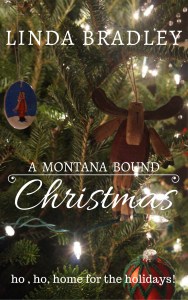 Maggie Abernathy, best friend Judy, and Judy’s two young sons travel cross country to visit John McIntyre and daughter Chloe at their Montana ranch. Maggie’s convinced herself that she’s only making the trip to fulfill her promise to visit Chloe, but once there she can’t help but fall in love with the horses, the land, the ranch, and the Montana ways of life. With Chloe’s loving antics, Winston’s gift, and a handful of wranglers showing her the ropes, will Maggie have the heart to say goodbye?
 Single mom Abby Jenkins runs a detective agency out of a haunted teahouse in the Pacific Northwest town of Sunset Cove, and while she finds tackling the usual supernatural suspects easy, she can’t face Christmas. She wants this one to be perfect for her kids. With a yuletide to-do list longer than Main Street, a jealous Viking-ghost boyfriend with existential issues, and unreliable witch powers, she’s in a twisted-tinsel, holiday funk, when the mayor asks her to find a missing angel. The statue, which sat on top of the Christmas tree in the town square for the last hundred years, symbolizes all that’s good about the holidays: love, peace and joy. Abby drops everything to look for the stolen angel.
 Fired two weeks before Christmas, distraught single mom Madison wonders how she’ll afford to pay for her young daughter’s Christmas gifts and still keep a roof over their heads. Sleigh bells and twinkling lights are the last thing on her mind—until a handsome stranger intervenes.
 With Christmas just a few weeks away, Gia San Valentino, the baby in her large, loud, and loving Italian family, yearns for a life and home of her own with a husband and bambini she can love and spoil. The single scene doesn’t interest her, and the men her well-meaning family introduce her to aren’t exactly the happily-ever-after kind. Tim Santini believes he’s finally found the woman for him, but Gia will take some convincing she’s that girl. A misunderstanding has her thinking he’s something he’s not. Can a kiss stolen under the Christmas lights persuade her to spend the rest of her life with him?
 This romantic thriller is a steamy way to warm up your winter. Perfect for holiday reading, this Christmas novella will keep you on the edge of your seat.
 One of my favorite quotes is by Yoda of Star Wars, who said “Do or do not, there is no try.” This adage was driven home to me when I attended a workshop where the instructor had us “try to pick up a pen.” Well, you either pick up the pen or you don’t. There is no “try” or middle ground. It’s do or do not.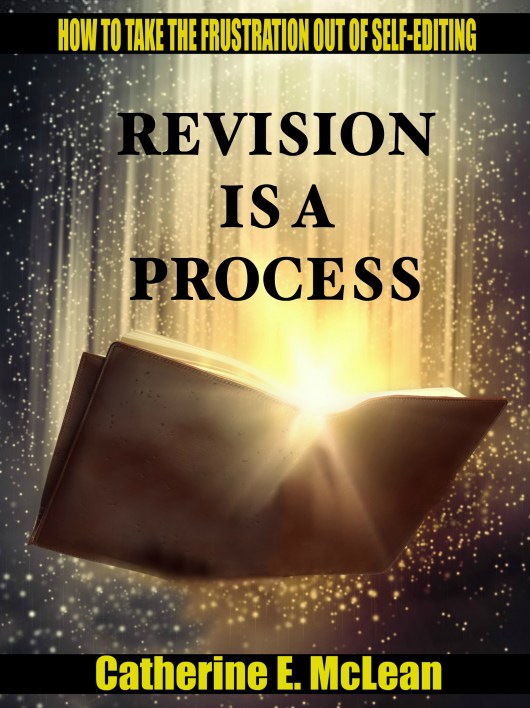
 On Friday evening, I joined five other NaNoWriMo winners at
 1. A Fir Tree is the only tree for me. I love the mossy color, short soft needles, and woodsy aroma.
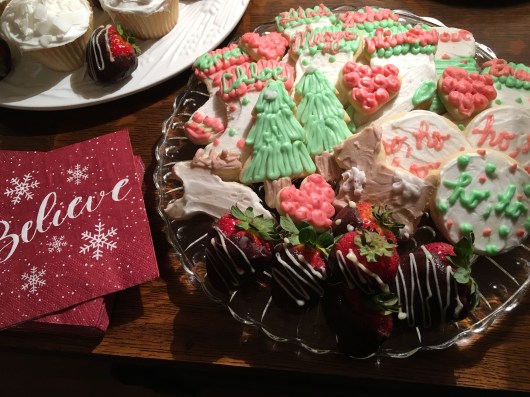

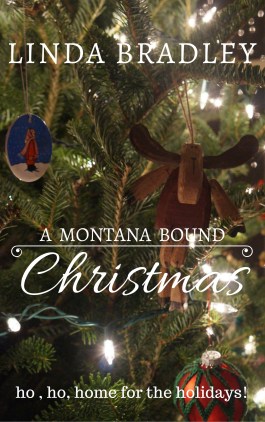 Chloe and John McIntyre await Maggie Abernathy’s arrival at the 617 Ranch, but snowfall has halted flights from Michigan to Montana. While Maggie and her mother prepare for a delayed departure, eight-year-old Chloe prepares for disappointment by inviting her Hollywood mother to the ranch in hopes of filling the void. Brook’s unexpected acceptance raises the stakes for John who longs for the perfect Christmas. This cast of misfits bands together in true Montana Bound style when unexpected guests arrive and a curious dog goes missing.


 Joanne Guidoccio