April is National Poetry Month, a month set aside to celebrate poetry and its vital place in our society. Launched by the Academy of American Poets in 1996, this month-long celebration has attracted millions of readers, students, teachers, librarians, booksellers, and poets.
Each Friday of April, I will share a favorite poetry collection.
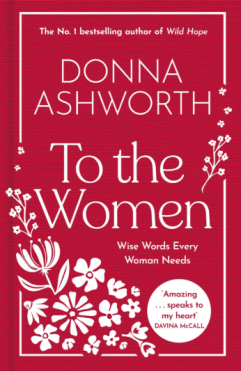 Today’s selection, To the Women: Wise Words Every Woman Needs, has been described as “a celebration of the beauty, strength, and joy of being a woman.”
When Donna Ashworth self-published the original version of this book in 2020, she could not have anticipated how profoundly it would reshape her life. At the time, she was adrift, unsure of what she was doing, where she was going, and what she wanted. Motherhood had slowed her down and allowed her to readjust her perspective. The “rat race” had lost its promise. She was tired of running too fast all the time and never keeping up.
To her astonishment, the book resonated with women in the United Kingdom and far beyond. What followed was not just success, but a whirlwind of connection, far greater than she had hoped. The 2025 edition has been revised and updated with over seventy new poems.
I set aside an entire day to read and sit with this collection, savoring the wisdom, comfort, and inspiration of beautifully written poems such as “Be That Woman,” “Age Gracefully, “There Will Be Days,” “Remember Her,” and “To the Woman Who Thinks She Isn’t Good Enough.” Underlying each poem is the importance of listening to our innermost voices, reconsidering long-held beliefs, and embracing the call to reinvent ourselves.
An ideal gift for any season or occasion, this collection will delight and resonate deeply with the poetry readers in your circle.
Here’s one of my favorite poems:
Age Gracefully
Age gracefully, they say
but I fear that what they mean
is age quietly, slip aside
be wise but stay unseen
age gracefully, they say
but I think, they’re afraid
that we may all wear purple
and wrap silver hair in braids
age gracefully, they say
don’t succumb to the knife
but don’t let standards drop
don’t wear your clothes too tight
age gracefully, they say
but don’t be looking old
likewise, not too young
take your place, fit the mold
age gracefully, they say
but grace means, being at ease
flowing with the winds of change
so, doing as we please
age gracefully, age tastefully
age like a fine red wine
just age with your acceptance
and you’ll never fear the lines
age gracefully, my friends
whatever path you tread
walk it with your own permission
it’s your home, so make your bed.
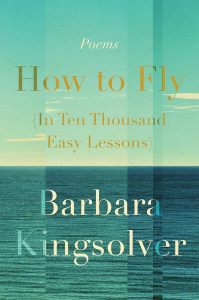 Having enjoyed reading Kingsolver’s novels, I was delighted to discover that she also writes poetry. In this collection, she explores everyday life with warmth and insight.
 Joanne Guidoccio