On Being Human

On Wednesdays, I share posts, fables, songs, poems, quotations, TEDx Talks, cartoons, and books that have inspired and motivated me on my writing journey. I hope these posts will give writers, artists, and other creatives a mid-week boost.

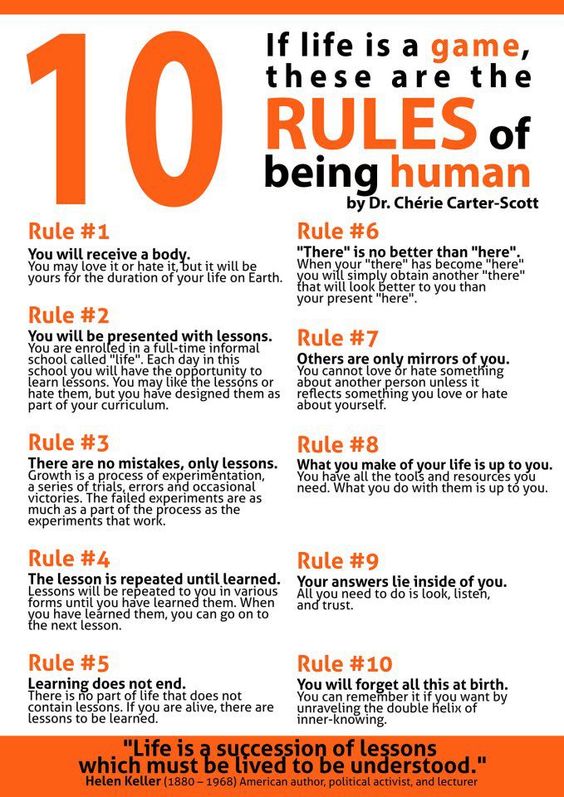
In her signature book, If Life is a Game, These are the Rules, behavioral scientist and bestselling author Dr. Chérie Carter-Scott expands on the following:

Source: If Life is a Game, These are the Rules

Virtual Book Tour: Men of the 65th

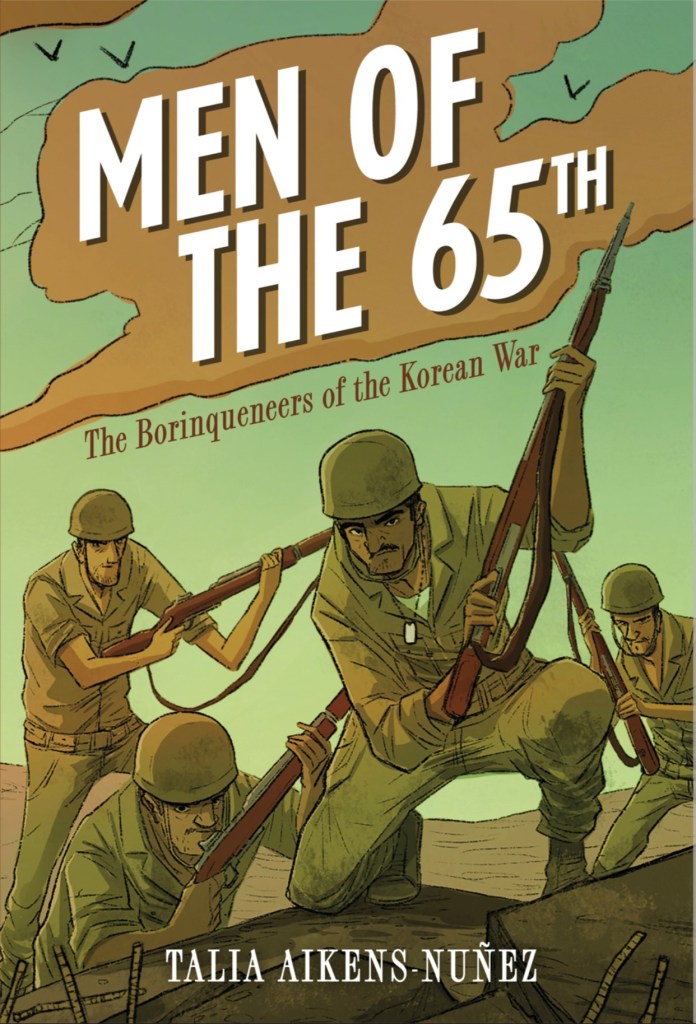
I’m happy to welcome author Talia Aikens-Nuñez. Today, Talia shares interesting facts about the 65th Infantry Regiment and her new release, Men of the 65th.

Here are ten interesting facts about the 65th Infantry Regiment as detailed in
Men of the 65th:

1. The unit’s, 65th Infantry Regiment, history dates back to 1899.

2. Puerto Ricans are American citizens because of the Jones-Shafroth Act signed into law by President Woodrow Wilson in 1917. This law also allows for Puerto Ricans to be drafted.

3. The United States military used the small island off of Puerto Rico called Vieques for military exercises.

4. The battle name of the Men of the 65th was the ‘Borinqueneers’. It is a combination of the original name of the island (named by the Taino people), Boriquen and Spanish pirates of the 1600’s, Buccaneers.

5. When the men set sail in the summer of 1950 they did not know where they were going.

6. Soldiers that fought in the Korean War for the United Nations Forces, had to endure below freezing temperatures and summer heat as they moved up and down the Korean peninsula.

7. The 65th Infantry Regiment was an integral part of what is considered one of the greatest military evacuation movements by sea from Hungnam, Korea during the Korean War in December 1950.

8. The unit was involved in the largest court-martial of the Korean War.

9. By 1954, all of the accused soldiers received clemency or full pardons.

10. The unit received the Congressional Gold Medal, one of the highest awards given, in 2016.

Blurb

Honor and Fidelity. That is the motto of the 65th Infantry Regiment, also known as the Borinqueneers, the only Puerto Rican unit in the United States Army.

Since the regiment’s creation in 1899, the men of the 65th have proudly served the US through multiple wars, despite facing racial discrimination. Their courage, loyalty, and patriotism earned them hundreds of accolades, including the Congressional Gold Medal in 2014.

But the honor and fidelity of the men of the 65th came into question in 1952, in the midst of the Korean War, when ninety-one Borinqueneers were arrested and tried for desertion and disobeying orders. How could this happen in one of the most distinguished and decorated units of the Army?

In this telling of one of the forgotten stories of the Korean War, author Talia Aikens-Nuñez guides us through the history of the Borinqueneers and the challenges they faced leading up to what was the largest court martial in the entire war. Rediscover the bravery of the men of the 65th through Aikens-Nuñez’s thorough writing and the soldiers’ firsthand accounts of the Korean War.

Excerpt

The US public was shocked to discover that during the war, 162 soldiers of the 65th Infantry Regiment had been court-martialed and ninety-one of those soldiers found guilty of disobeying orders and desertion.

The US military kept the courts-martial quiet. But the soldiers of the 65th sent letters to their families describing what was happening, which led to public outcry and confusion from the press. How could one of the most distinguished regiments of the Korean War, whose soldiers had only months before been praised by General Douglas MacArthur for their “brilliant record of heroism,” become involved in the largest mass court-martial of the Korean War?

Did the Borinqueneers lose their bravery and heroism in such a short time? Or were they victims of discrimination in a prejudiced and segregated system? Were they betrayed by the country they risked their lives for?

This is the story of one of the bravest and most decorated regiments in the history of the US military. It is a forgotten story in a forgotten war. But it is a story of patriotism, loyalty, and bravery in the face of danger and discrimination, and it is one that deserves to be told.

Author Bio and Links

Talia Aikens-Nuñez is passionate about sharing with young readers the little-known stories, accomplishments, and contributions of people of color from all throughout history. Aikens-Nuñez is the author of Small Nap, Little Dream, a bilingual Spanish/English picture book. She and her husband live in Connecticut with their two children.

Website | Facebook | Twitter | Lerner Books | Amazon

Giveaway

Talia Aikens-Nuñez will be awarding a $25 Amazon/Barnes & Noble gift card to a randomly drawn winner via Rafflecopter during the tour. Find out more here.

Follow Talia on the rest of her Goddess Fish tour here.

The Real Meaning of Peace

On Wednesdays, I share posts, fables, songs, poems, quotations, TEDx Talks, cartoons, and books that have inspired and motivated me on my writing journey. I hope these posts will give writers, artists, and other creatives a mid-week boost.

In her new release, The Answer to Anxiety, New York Times bestselling author and Bible teacher Joyce Meyer shared the following story about peace:

There once lived a king who announced a prize for the artist who would paint the best painting depicting peace. Many great painters sent the king several of their best art pieces. One of the pictures among the various masterpieces was of a calm lake perfectly mirroring peacefully towering snow-capped mountains. Overheard was a clear blue sky with fluffy clouds. The picture was perfect. Most of the people who viewed the pictures of peace from various artists thought it was the best among all.

But when the king announced the winner, everyone was shocked. The picture which won the prize had mountains too, but it was rugged and bare. The sky looked very angry, and there was lightning. This did not look peaceful at all. It looked like the artist had mistakenly submitted his painting depicting a storm rather than peace. But if anyone looked closely at the painting, he could see a tiny bush growing in the cracks in the rock. In the bush, a mother bird had built her nest. In the midst of the rush of angry weather, the bird sat on her nest with peace.

Peace does not mean being in a place where there is no noise or trouble. Peace means to be in the midst of all the chaos and still be calm in the heart. Real peace is the state of mind, not the state of the surroundings. The mother bird at peace and calm, despite her chaotic surroundings, indeed was the best representation for peace.

Source: The Answer to Anxiety by Joyce Meyer, pp. 102-103.

Spotlight on Hacienda Moon

I’m happy to welcome bestselling author KaSonndra Leigh. Today, KaSonndra shares interesting details about her creative journey and her new release, Hacienda Moon.

Interview

What was your inspiration for this book?

For Hacienda Moon, my inspiration came from my love for gothic romance
and my fascination with the supernatural. I’ve always been drawn to stories that combine romance, mystery, and otherworldly elements, and I wanted to create something that would capture that same sense of magic and intrigue.

The novel is set in a small town in North Carolina, where the past and present collide in unexpected ways. The story follows the main character, Tandie Harrison, as she uncovers dark secrets about her family’s past. Along the way, she meets a charming and mysterious man named Eric who becomes intertwined with her quest for the truth.

The setting and characters were inspired by my own experiences growing up in North Carolina, where the rich paranormal history and culture of the region have always fascinated me. I wanted to create a story that was not only entertaining but also explored themes of love, loss, and redemption.

I also drew inspiration from classic gothic romance novels, such as the
Mayfair Witches and Frankenstein, which have always been among my favorite books. I wanted to create a modern-day version of these classic tales, uniquely blending supernatural elements and contemporary romance.

Overall, my inspiration for Hacienda Moon came from my love for gothic
romance, my fascination with the supernatural, and my desire to create a story that would captivate and entertain readers.

Describe your writing space.

My writing space is a cozy and inviting room, filled with the things that inspire me and make me feel at ease. The focal point of the room is my desk, which is made of clear blue glass and overlooks a beautiful view of nature. I love the way the sunlight streams through the glass, casting an ethereal blue glow around me as I write.

Around the desk, there are several fairy figurines placed strategically. They are delicate and whimsical, their presence always reminding me of the sense of magic that I love to infuse in my stories. I chose the fairies to remind me to believe in the possibilities of the imaginative worlds that I create.

At the side of the desk, there’s also a small library filled with my favorite books, both classic and modern. It contains the stories that have inspired me over the years and continue to do so. Having my favorite books so close allows me to immerse myself in the world of fiction and be inspired whenever I need it.

Lastly, the window next to my desk provides natural light that flows into the writing space, making the room feel vibrant and full of life. Overall, my writing space is a place of inspiration, imagination, and relaxation, where the forces of the universe come together to facilitate the writing process.

What is your favorite quote?

This one is easy and it’s one of my own… “Be the Star that Lights Up the Sky, When Others Around You Have Fallen.” ~ KaSonndra Leigh

Besides writing and reading, what are some of your hobbies?

Besides writing and reading, I have several hobbies that I enjoy. One of my passions is running marathons; I love the feeling of pushing myself to the limit and achieving something that I never thought possible. It’s an excellent way to clear my mind and stay focused, and it gives me a sense of accomplishment that carries over into other areas of life.

I’m also passionate about interior design and home renovations. I love nothing more than transforming a space into something beautiful and inviting. Whether it’s picking out new furniture or painting the walls, I find it deeply satisfying to create a welcoming and comfortable living space that reflects my personality and style.

Additionally, I enjoy traveling to new places and experiencing different cultures. Exploring new cities, trying new foods, and immersing myself in different ways of life is a valuable source of inspiration for my writing, and it allows me to expand my horizons and fulfill my curiosity.

Overall, I believe that having diverse hobbies and interests is essential to maintaining a healthy and balanced life. Each of my hobbies brings unique benefits, from physical and mental health to creative inspiration, and I can’t imagine my life without them.

And advice for aspiring writers?

Here are some pieces of advice for aspiring writers:

1. Write. The most important thing you can do as an aspiring writer is to write as much as possible. You won’t be able to improve your craft unless you’re actively putting pen to paper (or typing on a keyboard).

2. Read. The more you read, the more you’ll be exposed to different styles and genres of writing. This will help you develop your own writing style and find ways to stand out from the crowd.

3. Experiment. Don’t be afraid to try writing different genres or styles. Write short stories, poetry, plays, or anything that sparks creativity. Experimenting with different forms can help you find your voice and hone your skills.

Thanks for inviting me over to hang out at your wonderful blog today.

Blurb

Tandie Harrison is a police medium struggling to pick up the pieces of her life after a devastating divorce that left her without her precious daughter and her psychic visions. With a heavy heart, she escapes the hustle and bustle of New York City and moves into the alluring plantation house, Chelby Rose. Here, she meets Eric, the home’s charismatic caretaker. Despite the ghostly warnings, Tandie finds herself drawn to him, and as their affair intensifies, so does the centuries-old curse haunting them both.

Suddenly, Tandie finds herself at the center of a dark and dangerous web full of deceit and intrigue. As fear begins to consume her, she must find the courage to face the demons of her past if she is to have any chance at a future. Hacienda Moon is a captivating story full of suspense and romance that will ensnare you from start to finish.

Note to readers and bookclubs:

This is the expanded and revamped edition of the Hacienda Moon that was originally published in 2012. Please be sure to add this version to your to-read list as this edition contains more gothic suspense, intrigue, and of course romance.

Excerpt

The results of Eric’s handyman skills were beautiful. The final perk was the light rose-colored exterior paint, a shade considered original to the house. Eric didn’t say a word about my upgraded paintbrushes. He was too busy making sure I didn’t catch him watching me as I bent over to paint the lowest boards on the house. However, I turned around at the perfect moment on paint day and caught him staring. His face flushed so badly, I couldn’t resist doing something to celebrate my small victory.

“Wow, it’s so hot out here today.” I stretched my arms, lifting my tee-shirt up until my belly button was exposed, basking in the warmth of the late summer sun. Eric’s mouth fell open. Success! That move totally stole Mr. Intense’s attention. Tucking my lips, I made a move toward an even more creative tease, bending over to pick up one of the three paint brushes I’d dropped.

“What are you doing?” he asked.

“What does it look like? I dropped my paintbrushes.” I shrugged and waved the brush between us. “Did I not use the proper technique for bending over and picking it up?”

He gave me a dimpled grin and moved closer to where I stood beside the house. Glancing down at the brushes beside my feet, he said, “They do look somewhat dirty. You sure you can handle that task? You strike me as somewhat of a nice girl. With that much paint and dirt all in the heads, you have to get a little rough with cleaning them.” His gaze bore into mine, smoldering me under a hazel brown sugary-colored look this time.

I held his gaze. “Oh, believe me. I have plenty of ways to clean dirty things.”

There was about a foot of space between us now. “Is that right?”

“Oh yeah,” I answered, hoping that the pulse line on my neck didn’t show the way my heart thumped inside my chest.

His gaze drifted from my eyes down to my lips and finally ended at my left shoulder. “Then why don’t you start by cleaning that big red spider off your shoulder?” An amused smile spread across his lips, but a scream shrilled out of mine.

Eric slammed his hands over his ears. “Damn it, Tandie.”

Adrenaline spiked through me. He might as well have said my breasts were hanging out. He would’ve gotten less of a response than he did with the spider statement. “Get it off me! Do you see it? Is it still there? Get it!” I shrieked, jumping around and spinning in half circles.

“I won’t help you until you stop trying to burst my eardrums,” he said, still half-way smiling. He came over and put his arms around me, pulling me into his embrace. “Calm down, Tandie. It’s gone, all right?”

Vowing to never tease Eric ever again, I waited for my breathing to normalize and for my trembling limbs to steady as I was pressed against Eric’s chest.

Author Bio and Links

Meet your word sculptress…

Author of the #1 Amazon International bestselling novels, the Prelude and the Lost Immortals Saga, KaSonndra is also a mother, designer, reader, gardener, home renovator, and a slayer of undead Egyptian mummies in Tomb Raider. She believes in karma, coffee, and seriously wishes that the producers of Xena would bring her favorite show back.

KaSonndra was born in the race-car city of Charlotte, NC, and now lives in the City of Alchemy and Medicine, NC, when she’s not hanging out in Bardonia (Lost Immortals Saga setting). Most of her characters are based on people that she has met throughout her travels and adventures.

People tend to stop and start conversations with KaSonndra as if she has known them her entire life. Does this freak her out? Not really. Her mom says that one day she’ll get kidnapped by one of these folks. KaSonndra’s response? She told her mom that if it weren’t for these lovely people, then she wouldn’t be able to create such fabulously romantic stories!

Visit KaSonndra’s at one of her online homes:

Webpage | Facebook Fan Page | Twitter | Instagram | Online Blogazine | Amazon

Giveaway

KaSonndra Leigh will be awarding a $20 Amazon or Barnes and Noble gift card to a randomly drawn winner via Rafflecopter during the tour. Find out more here.

Follow KaSonndra on the rest of her Goddess Fish tour here.
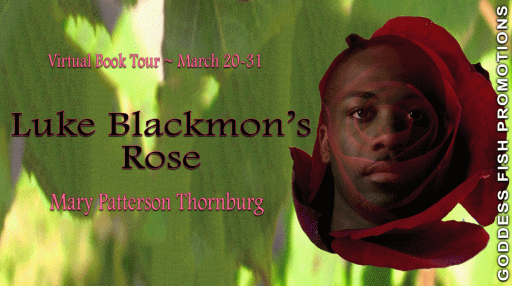
Interview with Mary Patterson Thornburg

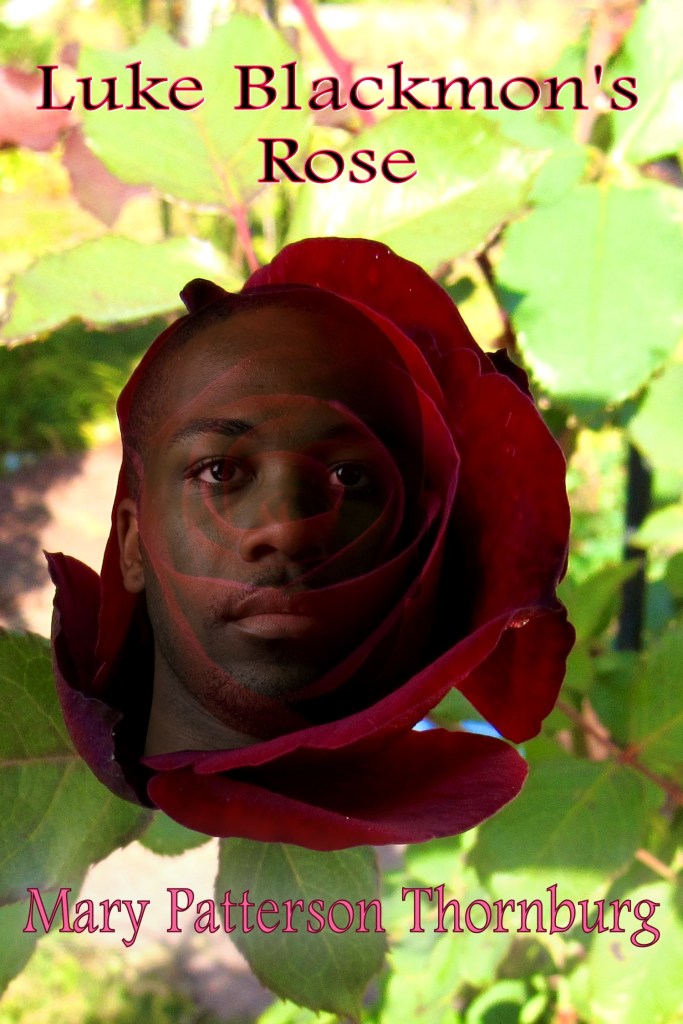
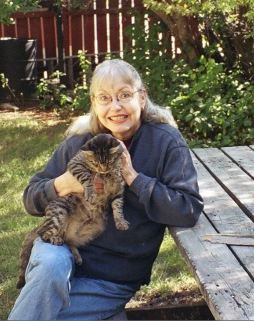
I’m happy to welcome Mary Patterson Thornburg to my blog. Today, Mary shares interesting details about her creative journey and her new release, Luke Blackmon’s Rose.

Interview

What is the best part of being an author? The worst?

To me, the best part by far is the wonderful, joyful high that sometimes happens when the writing takes off and soars, all by itself, and carries you along with it. This doesn’t happen frequently, but when it does it’s better than any drug anyone could possibly take, almost as good as falling in love. It’s worth every minute you’ve spent slogging forward, word by slow word, trying to get it right. Any writer who says this isn’t so is telling an untruth.

The worst part, for me, is drifting in the doldrums. This is just me, or anyway I hope so. I need assignments and deadlines because I’m lazy. Those long periods of windless calm are miserable. I cannot make myself move forward, and yet I’m the only one who can. I have spent weeks, months, and years in those sad latitudes.

Describe your writing space.

Hahaha! I would, but it would depress you. I know some writers want a beautiful room, full of light, their favorite objects, and wall hangings with inspirational quotes. They want compulsively neat files and books, windows looking out on gorgeous landscapes, etc. That’s fine. I’d just like to remind everyone that a lot of great writing has been done in jail cells.

Which authors have inspired you?

Many authors have inspired me and still do. Among them are two American women: Ursula K. Le Guin, who brought her immense talent and the great privilege of her childhood and education to the little-respected genre of science fiction, where she followed others in showing its value as a source of serious and elegant humanist literature. And Octavia E. Butler, who with courage and an iron core of self-confidence overcame the heavy burden of having been born a shy, awkward, dyslexic, working-class Black girl in the 1940s United States to write genre fiction that stands as tall and proud and important as Le Guin’s.

Any advice for aspiring writers?

Yes. Write literately in your language. If you don’t already know how to do that, learn. Learn the rules, silly as you may find them, and learn how to use them before you decide you are good enough to break them. There was a time when editors would do some of that work for you, but that time is long gone. If you have something to say that’s worth saying, it’s worth learning how to say it so people can understand you, and that, after all, is what the rules are about: communicating thought and feeling through the symbols of letters and words and punctuation and sentences and paragraphs.

Read writing by people who write well. This may sound silly to you, but it works; I knew a man who learned to write this way, became a well-known professional writer, and made a very good living: Find paragraphs and pages of writing by excellent writers and copy them, in longhand (or printing, if you never learned longhand), or typing, word for word, punctuation mark for punctuation mark. Be mindful of what you’re copying. Read what you’re copying out loud; pause for the commas, stop for the periods. Stop and take a deep breath for the paragraph breaks. This is called pattern practice, and it works. Some writers are lucky enough to sort of absorb these patterns while they read, without thinking about what they’re doing. Some have to do it mindfully.

What are you working on next?

Not sure. I’m never sure. Wish me luck!

Blurb

To guard herself from the perils of her own sensuality, Rose married a man she didn’t love. Now, two years after his death, she’s not sure she can really love anyone. She’s not even sure she cares…

To achieve what he’d always known was his birthright, Luke had to struggle against tremendous odds. But when science discovered a way to access the past, a powerful bureaucracy found a way to use Luke. Now, torn from his own time, everything and everyone he knew, he can see no reason to go on living…

An instant of attraction, uninvited but inescapable, brings Luke and Rose together. Together, they discover the strength to love, the will to trust and hope. But will these things be enough to carry them over walls of suspicion, guilt, bigotry, and hate?

Excerpt

In 1930, he told her, he’d been in the midst of rehearsing a play in New York City. The play’s title, Dark Fancy, rang no bells for Rose. “Well,” Luke said, “it had a couple of wealthy backers, but the script was awkward. And the play wasn’t a good fit for the time. People were beginning to want something light, given the look of things. A lot of folks had money troubles that year. Maybe the play didn’t even open. They’d have had to find a new second lead, anyway… Or…” He frowned. “Or not, maybe. I don’t know.”

“You were the second lead?” she asked gently.

“Yes. Character called Tommy Carleton. His best friend was a man he’d known in college, a teammate, a white man, played by Roland Arnett… The actress playing the girl was colored, of course—quite light, but unmistakable. This was necessary, and that meant the Arnett character’s blindness was also necessary.” He laughed without much amusement.

“Oh, Luke. I’m sorry, but the whole play sounds terrible,” Rose said. “Melodramatic, big problems with logic, and a bad script on top of that? I’ll bet it didn’t open. I’ll look it up.”

“I’ve described it… Not badly. Unfairly, perhaps. There was more to it, more to the Arnett role, and Arnett is—was—great. Deservedly famous. And problems with logic? Of course, but quite realistic, weren’t they? The subject of race in this country is riddled with logical fallacies, always has been. Anyway, the play was exciting and controversial. Daring. Two years earlier and it would’ve packed them in. Even now—I mean in 1930—it would have had a decent run. If it opened.”

Author Bio and Links

Mary Patterson Thornburg has lived in California, Washington State, Montana, Indiana, and again, finally, in Montana. She was educated at Holy Names College, Montana State University, and Ball State University, where she then taught for many years. She’s been reading science fiction and fantasy since she was five, and when she began to write fiction it seemed only natural to write in those genres. Her literary heroes are Mary Shelley, who gave us all a metaphor for technology alienated from its creators, and Ursula K. Le Guin and Octavia E. Butler, inventors of worlds that shine their powerful searchlights on this one. She writes what some people call “science fantasy” (aka “fake science fiction) within as wide a range as possible, but almost always with a bit (or a lot) of romance.

Website | Facebook | LinkedIn | Amazon Author Page

Giveaway

Mary Patterson Thornburg will be awarding a $25 Amazon or Barnes and Noble gift card to a randomly drawn winner via Rafflecopter during the tour. Find out more here.

Follow Mary on the rest of her Goddess Fish tour here.

The Wisdom of Kintsukuroi

On Wednesdays, I share posts, fables, songs, poems, quotations, TEDx Talks, cartoons, and books that have inspired and motivated me on my writing journey. I hope these posts will give writers, artists, and other creatives a mid-week boost.

In her bestselling book, A Year of Positive Thinking, inspirational speaker Cyndie Spiegel shares daily meditations. Here’s one of my favorites:

Kintsukuroi is a kind of Japanese ceramic style. The word Kintsukuroi means “to repair with gold.” In the Kintsukuroi tradition, when a ceramic piece breaks, an artisan will fuse the pieces back together using liquid gold or gold-dusted lacquer. So rather than being covered up, the breaks become more obvious, and a new piece of art emerges from the brokenness.

Kintsukuroi embraces flaws and imperfection, but it also teaches the essence of resilience. Every crack in a ceramic piece is part of its history, and each piece becomes more beautiful because it has been broken.

You will fall.
You will fail.
You will break.
You will stand up and dust yourself off.
You will repair yourself again and again.
And eventually, though you will be different than before, you will again become whole.
You will be even more beautiful precisely because of all of this.
You will be a better person because of your imperfections, not in spite of them.

Source: A Year of Positive Thinking by Cyndie Spiegel

Trust Your Intuition

On Wednesdays, I share posts, fables, songs, poems, quotations, TEDx Talks, cartoons, and books that have inspired and motivated me on my writing journey. I hope these posts will give writers, artists, and other creatives a mid-week boost.

Each Sunday, I receive an inspirational email from Reid Tracy, the CEO of Hay House. I found this recent message a thought-provoking one:

According to Louise Hay, intuition is our inner voice (or “Inner Ding,” as she called it), which speaks to us through feelings, sensations, and gut instincts. By paying attention to these signals, we can make decisions that align with our highest good and avoid situations that don’t serve us.

Dr Joe Dispenza argues that intuition isn’t some mystical force, but a natural ability we all have—a product of the subconscious mind, which processes information at a much faster rate than our conscious mind. By learning how to tap into the power of our subconscious, we can access our intuition and use it to achieve our goals and live a more fulfilling life.

So, how can we learn to trust our intuition? Here are some tips inspired by the teachings of Louise and Dr Joe:

Listen to your body: Pay attention to how you feel physically when making decisions. Does your stomach feel tight or relaxed? Do you feel a sense of excitement or dread? These physical sensations can give you clues about what’s right for you.

Practice mindfulness: Mindfulness is the practice of being present in the moment without judgment. By cultivating mindfulness, we can quiet our minds and connect with our inner wisdom. Take a few moments each day to sit quietly, breathe deeply, and tune in to your intuition.

Journal: Writing down your thoughts and feelings can help you get clarity about what you truly want. Use journaling as a tool to explore your inner landscape and connect with your intuition.

Take inspired action: Fear is one of the biggest obstacles to trusting our intuition. So, work toward overcoming fear by taking action when you feel inspired or excited about something—that’s your intuition talking. Start small and take note of the outcome when you act. Soon you’ll learn to trust your intuitive nudges.