June is National Fresh Fruit and Vegetables Month, a month set aside to remind us that fruits and vegetables are essential components of a healthy lifestyle.
As a cancer survivor with a family history of Parkinson’s and Alzheimer’s diseases, I am always on the lookout for any dietary changes that can help support a healthy heart, mind, and immune system.
A few years ago, I took special note of the following research conducted by the American Institute for Cancer Research in 2004. If every American consumed 15 to 30 ounces of fruits and vegetables every day, the incidence of cancer could be reduced by at least 20 percent.
The Institute suggests we aim for nine servings or 4.5 cups of fruits and vegetables a day. This may sound daunting, but it is doable. With careful planning and a few doses of creativity, we can increase our daily intake of fruits and vegetables and stay within our budgets.
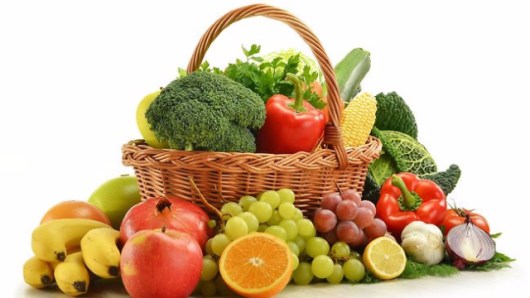
Here are 10 tips:
• Learn about serving size. In his book “Anticancer,” David Servan-Schreiber provides the following helpful guide: One serving equals ½ cup cooked or 1 cup raw vegetables, 1 medium fruit, ½ cup cooked fruit, ¼ cup dried fruit, or 6 ounces of fruit juice.
• Start small. At breakfast, top your oatmeal or cereal with sliced bananas, fresh berries, raisins, or apricots. Add one cup of fresh or frozen berries to pancake batter. Mix eggs and vegetables for a healthy and hearty breakfast or lunch. Adding minced broccoli or finely grated cauliflower will not change the texture of the eggs. At lunch or dinner, add strawberries, mandarin orange sections, and raisins to green salads.
• Use a spiralizer to create zucchini, squash, asparagus, or cucumber noodles. Top with your favorite sauce and enjoy! You won’t miss the carb-laden pasta dishes.
• Hide the vegetables if your children ignore or push away anything green. Instead, try incorporating vegetables such as broccoli, cauliflower, or spinach into your favorite pasta sauce, chili, lasagna, or stew recipes. As you stretch the recipe, you will obtain more servings and also cut back on the meat content.
• Pinch pennies on produce. Buy whatever fruits and vegetables are in season. Apples, oranges, grapefruit, and bananas are always available and usually last for a week. The cheapest vegetables are broccoli, cauliflower, sweet potatoes, celery and onions.
• Consider buying frozen fruits and vegetables. These foods are flash frozen at their peak and contain the same amount of nutrients as their fresh counterparts. Frozen vegetables can save dinner preparation time since washing and cutting are not required. Frozen fruit can be used in smoothies, low-fat muffins, yogurts and salads.
• Sneak in extra fruit servings with the right juice. Stick with the top four—orange, grapefruit, prune, pineapple—and check the sugar content on each label. Whenever possible, buy in bulk. This will cut down your costs and help avoid the excessive packaging associated with single-serving bottles and juice boxes.
• Create quick, no-cook meals using fruits and vegetables. Fill a cantaloupe or honeydew melon with low-fat cottage cheese. Combine fresh or frozen berries, a banana, whey or soy protein, water, and ice to make a delicious smoothie. Mix a bowl of low-fat yogurt with fruit.
• Create more fruit-based desserts and snacks. Cut up some plums into chunks and roast them in the oven. Serve warm over a small scoop of frozen yogurt. Mix blackberries or blueberries with a few chocolate chips to create a quick trail mix. Freeze individual grapes on a cookie sheet and serve later as cool, healthy treats.
• Plan ahead and add convenience to your day. Stock your glove compartment and desk drawer with apples, pears, and bananas. Cut up your favorite vegetables into snack-size pieces and store them in clear plastic containers at home and at work. This will cut down on visits to the vending machine and coffee shop.
Any other tips to share?
 A non-athlete, it took me a while to find a preferred physical activity, but once I discovered yoga, I was hooked.


 Diagnosed with hypothyroidism in 2006, I make every effort to incorporate thyroid-nourishing foods into my diet.
 The ancient Greeks and Romans believed that asparagus possessed medicinal qualities, curing everything from toothaches to rheumatism.
 During chemotherapy, I found myself unable to tolerate a host of foods, among them coffee, meat, fish, cheese, tomatoes, onions, garlic, salad dressings, citrus fruits, and all cooked vegetables.
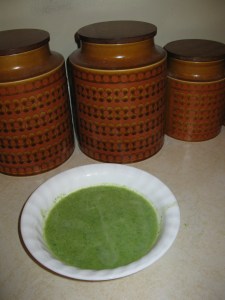 A piping hot bowl of soup is my favorite way to incorporate vegetables into my diet. I especially like puréed, low-starch vegetable soups that are quick and easy-to prepare.



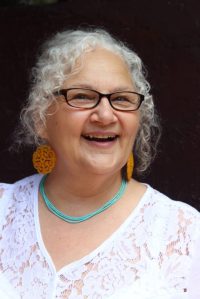 Janet G. Nestor is an author, licensed counselor, and expert in energy healing and relaxation strategies, who is regularly interviewed about mindful living and inner peacefulness. Janet has released several books recently including Pathways to Wholeness and Yeshua: One Hundred Meaningful Messages for Messengers. She has also contributed to four books by other authors and participated in five collaborative books that have all become best sellers. In 2017 and 2018, Janet was recognized by Richtopia as one of the top 200 most influential authors in the world.
 Cornelia Merk is an intuitive healer, holistic wellness practitioner, and motivational speaker with an extensive background in the study of human potential and the body’s self-healing capacity. She is a certified Nia Brown Belt instructor and has explored the martial arts of aikido, tai chi, and taekwondo to expand her knowledge in body movement and energy flow. In addition, she is a third level reiki practitioner and worked as a personal trainer with Educogym, a fitness training that specifically uses the power of the mind in weight training and losing weight and includes education in nutrition and supplementation with the Irish Association of Holistic Medicine.