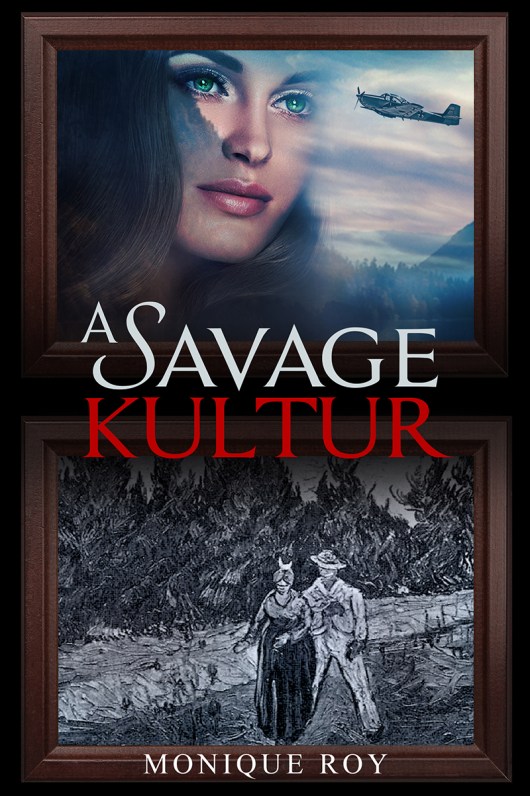
Blurb Blitz Tour: A Savage Kultur

I’m happy to welcome author Monique Roy. Today, Monique shares her new release, A Savage Kultur.

Blurb

Ava is a Jewish art student who suddenly inherits her grandfather’s gallery in London. Acting on his final wish, Ava begins a journey to discover a valued Van Gogh, which was looted by the Nazis in 1937. As Ava unlocks this complex journey, we begin to travel between her timeline and that of the war itself, where we find out what ordinary people had to do to survive under the power of the Nazis and their wishes.

Excerpt

London, England

New Year’s Eve, 2013

It was an icy New Year’s Eve in London when Ava Goldman contemplated the bitter side of life. As she strolled home from a cozy bookshop before sunset, she noticed the wind crisscrossed between ancient buildings, thick snow blanketed the streets, and a single piece of newsprint swirled up in the gust. This weather was not everyone’s cup of tea, but Ava liked the invigorating, crisp air and the hoarfrost on the grass. She could stare for hours at the individual snowflakes that sparkled like glitter and diamonds.

The chilly weather scarcely dampened the mood as the city, on the dawn of another year, still hummed with activity and celebration. Ava knew she was not alone in her thoughts. Merry revelers stood on the banks of the Thames River, which lay frigid from below London Bridge. They, too, were on a journey, quietly observing the world before them as they tried to imagine the future and rehash the past. Glowing fireworks burst around Big Ben and the Houses of Parliament, illuminating the night sky with explosions of bright and vivacious colors of light.

In these moments when nothing stirred, she remembered the past, understood the present, thought of the future, and she dug deep into her soul. Ava vowed to remain centered no matter what came her way. To her, this meant being more grounded and calm. She hoped the new year brought with it hope and renewal like a radiant flower that springs from a timeworn vine.

Author Bio and Links

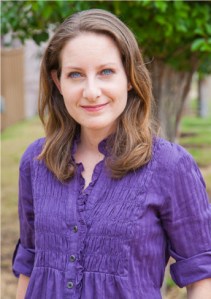
Monique loves writing that twitches her smiling muscles or transports her to another time or place. Her passion for writing began as a young girl while penning stories in a journal. Now she looks forward to deepening her passion by creating many unique stories that do nothing less than intrigue her readers.

Monique was born in Cape Town, South Africa, and her grandparents were European Jews who fled their home as Hitler rose to power. It’s their story that inspired her to write Across Great Divides, her debut, historical fiction novel.

Monique holds a degree in journalism from Southern Methodist University in Dallas and is also the author of a children’s book Once Upon a Time in Venice. In her free time, she loves to travel, play tennis, pursue her passion for writing, and read historical fiction. In 2008, she was chosen by the American Jewish Committee’s ACCESS program to travel to Berlin, Germany, on the 70th anniversary of Kristallnacht, to explore German and Israeli relations along with 20 other Jewish professionals from across the U.S.

Website | Twitter | Amazon

Giveaway

Monique Roy will be awarding electronic book copy of A Savage Kultur to a randomly drawn winner via Rafflecopter during the tour. Find out more here.

Follow Monique on the rest of her Goddess Fish tour here.

In Praise of Quotes

In my late teens, I started a quote collection. I would underline sentences (and sometimes entire paragraphs) in books and jot down inspiring thoughts from other print media. I would then copy these words of wisdom into a journal. When I joined Pinterest, I set aside a page—Words I Love— where I recopied these quotes.

Maintaining a personal collection of quotes has helped me immensely. Here are some of the benefits I have discovered:

• Quotes have the power to transform moods. While books and movies can accomplish the same goal, quotes do it faster. I don’t have to invest hours of my time to experience the same effects. Whenever I need a quick jolt of inspiration, I click on my Pinterest page or visit one of many twitter hashtags devoted to quotes, among them #Quoteoftheday, #Inspirationalquotes, and #quotes.

Continue on reading on the Sisterhood of Suspense blog.

10 Lessons I Have Learned From Life

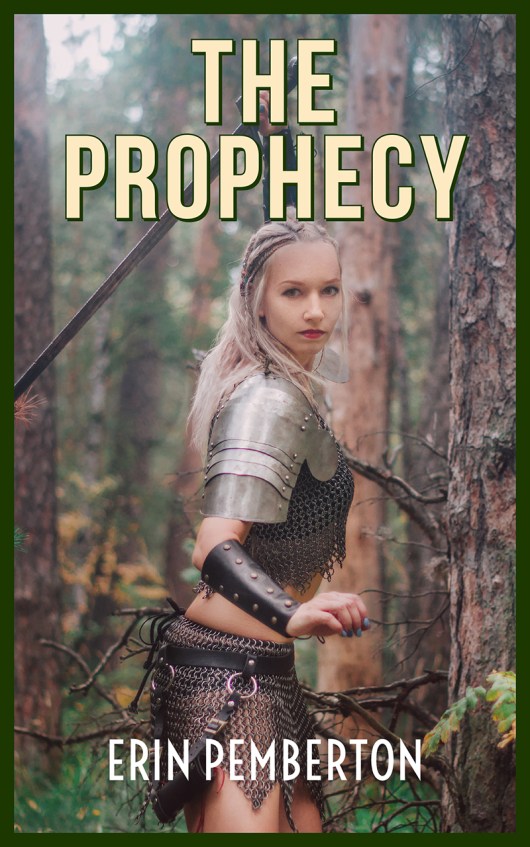
I’m happy to welcome author Erin Pemberton. Today, Erin shares ten life lessons and her new release, The Prophecy.

1. Life is hard, don’t make it harder by making stupid decisions. As a teenager, I thought I knew best and I thought I could get away with playing around with no real consequences. I was wrong. Being a teenager is hard, going to college right after high school is not easy either. Being a single parent while finishing high school and then going on to college is even harder. You have your whole life ahead of you, make wise choices.

2. It’s okay to say no. I am one of those types of people who like to help out others despite what I have on my plate. Through many stressed out days and lots of hard lessons, I learned that it’s okay to say no when you already have a lot going on. In fact, when you do, your work will reflect it in the fact that you’re able to give more attention to the things you’re already taking on. They’ll be of better quality and you’ll be happier with the results.

3. Marriage takes two. Through two failed marriages, I realized in my third one, that it really does take two. You have to be willing to put your spouse’s needs ahead of yourself and make them a priority. By both of you doing this, everyone’s needs are met. Even when you have kids, your spouse needs to come first. Because when the kids are all gone, you’ll still have each other. Better to enjoy life with your spouse than to resent life with them.

4. It’s okay to let your kids fail. This is something that I struggle with daily. It’s unnatural for us to let our kids fail. However, how will they learn to live life if you’re constantly taking over for them? Last fall, my son was failing three out of five classes in high school. After trying to put him on a homework schedule, emailing teachers daily, and more screaming matches with my son than I care to admit, I finally looked at him and said, “I have two jobs, a husband, and five kids. I cannot and will not fight with you on this anymore. If you fail these classes, you’ll have to take them again. If you pass, that’s one more step toward your goal of going to Shawnee State. I’ll help when you need it or ask, but otherwise, I’m tapping out. Fail or pass, it’s on you.” By the skin of his teeth, he passed and he’s done so much better this year with keeping up to date on all his assignments. It was a tough lesson for us both.

5. It’s okay to ask for help or to let others lead for a change. As a preschool supervisor, I struggle with feeling like I need to accomplish everything our program needs in order to make it a great program. However, I’m finding that by creating teams and letting others take on leadership roles, it works out so much better for everyone. Not only do we end up with so many more ideas than I could ever dream up, but by sharing the role, I find my stress level goes down considerable and my team members value me more.

6. Take time for you. Whether it’s sitting down and reading a good book, doing yoga, or taking a mini vacation with my spouse, finding me time is critical being able to do as much as I do on any given day. I can recharge, I give myself permission to think of something other than work, and I’m ready to hit it again when I do come back.

7. Hobbies are for you. Something I struggle with as an author is asking other people to read my books. It’s not because I don’t want others to read them, I just don’t like asking what they thought of the book. I find that when I start valuing other’s opinions of my work more than I value my own opinion, my hobby or writing changes. I have a tendency to focus more on what other’s think and how I can make the world happy versus just writing because it’s something that I enjoy doing. When you find a hobby, don’t let anyone tell you how to do it. Make it yours.

8. Don’t let anyone stop you. If there is something that you want to accomplish in life, by all means, get it done! We can come up with a world of excuses, but the truth of the matter is, you’re the only person holding you back. Stop it and get it done!

9. Light will always defeat dark. As I mention in several of my books because they usually have a dark/ light battle going on, the light will always defeat the dark even if you have to search the darkness to find it. Hang on because around every dark corner, there is always light waiting for you.

10. Life without God, is not much of a life. God is the light in my world, my marriages, my parenting, and my work has all failed when I turned from him. By keeping him the center of my life, not only am I happier but I find myself blessed even when things are tough.

Blurb

In a land plagued by war, King Dorvin and Queen Shiara are expecting their first child. They are excited until the good fairies tell of a prophecy; that their daughter is the key to winning the war against the Shadow tribes. To protect her, mages of the kingdom create a tower to keep her and her guardian hidden until her eighteenth birthday. When Ella turns 18 she leaves the tower, only to find that her parents are dead and the Shadow tribes now control the kingdom. Trained as a warrior, and aided by the good fairies, Ella must now bring her subjects together and prepare for the final war.

Excerpt

“If you don’t tell me your name, you’ll find out the hard way,” Ella responded calmly even though butterflies were carrying out their own battle in her stomach. The magic was showing her just how far she could throw him with its use. She was beginning to think of it as a whole separate entity within her mind.

Just as she pulled her arm back in preparation of launching him through the night sky, he shouted “Erek! I’m called Erek.”

Ella, bemused, smiled serenely at him as she placed him none too gently back on the ground. “That wasn’t so hard, now was it?”

Erek mumbled something under his breath but made no attempt to say anything else.

“What are we going to do with him?” Ella asked, turning to look at Tia.

Tia, ignoring Ella’s question, took a step closer to Erek, grabbed the rope that bound him, and pulled him toward her. “What do you mean we’re trespassing on your land? This land belongs to Dorvin, king of Fablina,” she hissed, apparently taking care to spit in his face as she talked.

The ugly smirk appeared on his otherwise handsome face, a mirthless laugh consuming him. “My tribe killed and replaced your king seventeen years ago. This land belongs to the Shadow tribes, and you are as good as dead.”

Add to Goodreads | Buy on Amazon

Author Bio and Links

I’m just a small town girl, living in Ohio and making up worlds for my characters to live in. A preschool teacher by day, I live with my amazing husband while dreaming of walking hand in hand with him on the beach just searching for seashells. Together, we have five incredible kids, who are starting to make their way in this world as they take on college, high school, and elementary school. I love Christmas, the beach, seashells, painting, reading anything fantasy related, and in my very little spare time, creating new worlds for others to enjoy.

Website | Goodreads

Giveaway

Erin Pemberton will be awarding a $25 Amazon/Barnes & Noble gift card to a randomly drawn winner via Rafflecopter during the tour. Enter here.

Follow Erin on the rest of her Goddess Fish tour here.

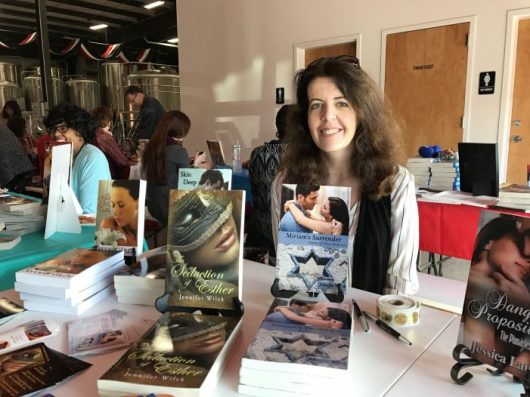
10 Interesting Facts About Jennifer Wilck

I’m happy to welcome Wild Rose Press author Jennifer Wilck. Today, Jennifer shares ten interesting facts about herself and her latest release, Waiting for a Miracle.

Here’s Jennifer!
1. I’m an only child. I loved all of the opportunities I was given growing up, due to the fact my parents only had me—horseback riding lessons, ballet, any college I wanted (within reason)—but I always wanted a sibling. I thought The Brady Bunch was the perfect family. It wasn’t until I had two daughters that I realized there’s no such thing as a perfect family, and it’s the imperfection that makes each family unique. I love how my girls get along, and I also love how they disagree and are each their own person. As a writer, I often include a child in my stories, but my heroes and heroines will definitely have children of their own—either naturally or through adoption. In Waiting for a Miracle, my heroine is unable to have children of her own, but wants to foster them. The hero is a single dad and is happy to support her dream.

2. My stories usually start out with a snippet of a conversation that I hear in my head. Sometimes those snippets are in the hero’s POV and other times they are in the heroine’s POV. It’s my job to figure it out and then build a story around that conversation. In my book, Addicted to Love, I “heard” the black moment first. Start at the end and work backwards? No problem!

3. In my other life, I wrote for technology magazines. As an English major, I tried to turn the techie mumbo-jumbo into something regular people could understand. However, in the real world, I’m not technology proficient. My husband used to laugh because I could explain why something worked, but couldn’t actually do it! I have several friends who work for major technology companies, so when I needed my characters to have particular jobs, I was able to interview them.

4. Most of the children in my stories are based in some way on my own girls (please don’t tell them that). And some of the character quirks are theirs. For example, Claire, the six-year-old girl in A Heart of Little Faith, loved the game Trouble. My oldest daughter and I used to play that game for hours!

5. My favorite characters to write are the meddlesome but loveable mothers or grandmothers. In Addicted to Love, my heroine, Hannah, lives with her grandmother, and she is one of my most favorite characters of all time (soon to be displaced by the grandmother in my current WIP, though).

6. I love writing both Jewish and non-Jewish contemporary romance. I think it’s important to represent all types of people in romance, and as a Jewish author, I can bring a unique perspective to my writing. There are always cultural elements that I include in my Jewish romances, and the stories revolve around more than just Hanukkah. Some of my biggest fans of my Jewish romance are a group of Catholic ladies who absolutely love the Jewish elements.

7. One of the best aspects of being a writer is that it has forced introverted me to be more extroverted. I have to toot my own horn a lot more than makes me comfortable, but I’m getting better at it. I’ve made contacts at local book stores and libraries, and despite my shyness, I love talking to readers about books—either mine or others I’ve read.

8. I love trying new foods. I was encouraged as a young child to eat a variety of adult food, rather than typical kiddie fare, and I think that has made me more adventurous as an adult. As long as it’s not alive, isn’t an organ, and isn’t any form of insect, I’m willing to give it a try. I include lots of food in my books, as well. There’s a great food scene—chocolate—in Five Minutes to Love, that was so tempting while I was writing it that even now, thinking about it makes me hungry.

9. In general, I prefer it to be quiet when I write. Music does inspire me, but if I write while listening to it, I’ll get distracted. The need for silence also means I stagger the times when I write based on who is going to be in my house when. Although, now that my girls are in college, my house is much quieter ad I’m able to write when the inspiration hits, as opposed to when they are out of the house.

10. My favorite trope to read and to write is Beauty and the Beast. I love damaged heroes and strong heroines (not necessarily beautiful ones), and I love adding a psychological component to my conflicts. I hope a reader gets a wide range of emotional responses when they read my writing, just as I want to get the same benefit when I read other authors.
Blurb

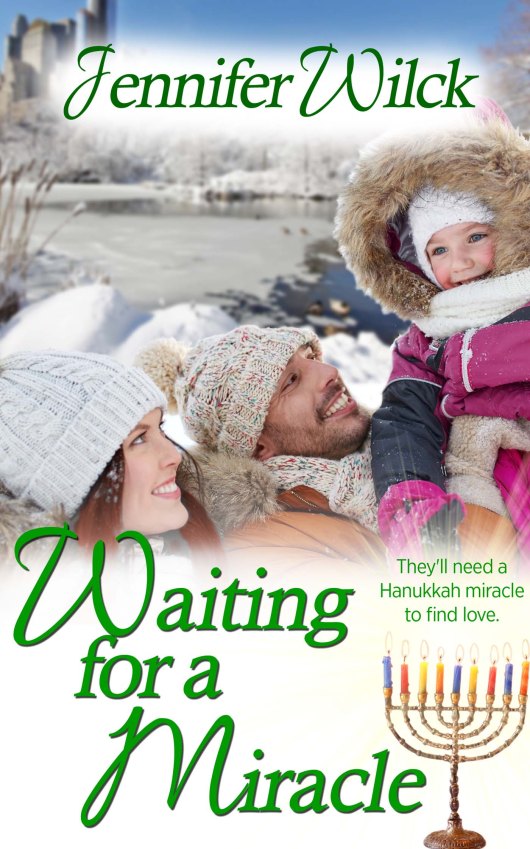
Benjamin Cohen, widowed father of six-year-old Jessie, is doing his best to hold it together through order and routine. The last thing he needs is his matchmaker mother to set him up with her next door neighbor, no matter how attractive she is.

Rachel Schaecter’s dream of becoming a foster mother is right within her grasp, until her meddlesome neighbor tries to set her up with her handsome son. What’s worse? He’s the father of her favorite kindergarten student! She can’t afford to let anything come between her and her dream, no matter how gorgeous he may be.

Can these two determined people trust in the miracle of Hanukkah to let love and light into their lives?

Excerpt

Six-year-old bodies were good at many things— bouncing, hugging, and racing. Rachel was thankful they were also good at hiding her surprise. Never in her wildest dreams did she imagine her favorite student, and her student’s father, would be at her neighbor’s house the same night she was invited to celebrate Hanukkah.

She met the hard gaze of Jessie’s father across the room. Eyes narrowed as if he suspected her reasons for being here. His broad shoulders were stiff. His jean-clad muscular legs were spread apart in a solid stance. Square hands fisted at his sides, and one of them held a menorah. Did he plan to throw it or club someone with it?

Giving Jessie a last pat, she rose. With an arm around Jessie, she extended her other hand to her father. “Happy Hanukkah.”

“Ms. Schaecter.”


“Mr. Cohen.”


“Oh, please,” Harriet said, “Such formality between you two. Rachel, this is my son Benny. I mean Benjamin.”

Benny. Rachel filed the information away for later, along with his flushed skin at the nickname. Interesting.

“And Benjamin, this is my neighbor, Rachel. We’re not at a school event. You can call each other by your first names.” Harriet pointed at Jessie, who gripped Rachel’s hand so hard, Rachel’s fingers lost their circulation. “Except for you,” Harriet added. “You have to call her Ms. Schaecter.”

Jessie giggled. “Yes, Grandma.”

Buy Links

Amazon | Barnes & Noble | iBooks

Bio

Jennifer started telling herself stories as a little girl when she couldn’t fall asleep at night. Pretty soon, her head was filled with these stories and the characters that populated them. Even as an adult, she thinks about the characters and stories at night before she falls asleep or walking the dog. Eventually, she started writing them down. Her favorite stories to write are those with smart, sassy, independent heroines; handsome, strong and slightly vulnerable heroes; and her stories always end with happily ever after.

In the real world, she’s the mother of two amazing daughters and wife of one of the smartest men she knows. She believes humor is the only way to get through the day and does not believe in sharing her chocolate.

She writes contemporary romance, many of which feature Jewish characters in non-religious settings (#ownvoices). She’s published with The Wild Rose Press and all her books are available through Amazon and Barnes & Noble.

Where to find Jennifer

Website | Facebook | Newsletter | Twitter | Instagram | BookBub
Cover Reveal: Vanilla With A Twist

I’m thrilled to reveal the cover of Peggy Jaeger’s summer novel…

Blurb

Tandy Blakemore spends her days running her New England ice cream parlor, single-parenting her teenage son, and trying to keep her head above financial water. No easy feat when the shop’s machinery is aging and her son is thinking about college. Tandy hasn’t had a day off in a decade and wonders if she’ll ever be able to live a worry-free life.

Engineer Deacon Withers is on an enforced vacation in the tiny seaside town of Beacher’s Cove. Overworked, stressed, and lonely, he walks into Tandy’s shop for a midday ice cream cone and gets embroiled in helping her fix a broken piece of equipment.

Can the budding friendship that follows lead to something everlasting?

Bio

Peggy Jaeger is a contemporary romance writer who writes Romantic Comedies about strong women, the families who support them, and the men who can’t live without them. If she can make you cry on one page and bring you out of tears rolling with laughter the next, she’s done her job as a writer!
Family and food play huge roles in Peggy’s stories because she believes there is nothing that holds a family structure together like sharing a meal…or two…or ten. Dotted with humor and characters that are as real as they are loving, she brings all topics of daily life into her stories: life, death, sibling rivalry, illness and the desire for everyone to find their own happily ever after. Growing up the only child of divorced parents she longed for sisters, brothers and a family that vowed to stick together no matter what came their way. Through her books, she’s created the families she wanted as that lonely child.

When she’s not writing Peggy is usually painting, crafting, scrapbooking or decoupaging old steamer trunks she finds at rummage stores and garage sales.

A lifelong and avid romance reader and writer, Peggy is a member of RWA and her local New Hampshire RWA Chapter.

As a lifelong diarist, she caught the blogging bug early on, and you can visit her at peggyjaeger.com where she blogs daily about life, writing, and stuff that makes her go “What??!”

Where to find Peggy…

Website/Blog | Twitter | Amazon | Facebook | Pinterest | Goodreads | Instagram | BookBub | You-Tube


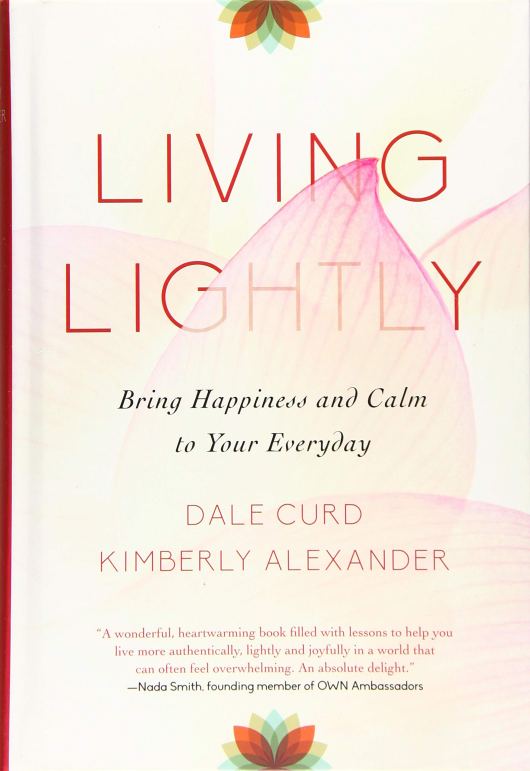
Spotlight on Living Lightly

I’m happy to welcome therapists and authors Kimberly Alexander and Dale Curd. Today, Kimberly and Dale share their new release, Living Lightly.

Blurb

Living Lightly is a daily devotional that offers a year’s worth of opportunities to commune, in the deepest and most beautiful sense of that word, with your self and your life. Partners and therapists, Dale and Kim Curd step through the universal doorways of life and offer us a nudge to slow down and experiences to help return us to our selves. Their personal reflections invoke gentle introspection, and come from their own healing journeys and from being active therapists. Living Lightly invites you to explore how your mind works, understand and express your feelings and be reminded that you are much, much stronger than you realize. Living Lightly is a great way to start or end the day.

Excerpt From July 14, Living Lightly

When we wrote this piece, we imagined all of our self in a beautiful bubble ~ our hopes, needs, feelings, wounds and energy ~ in the bubble, all the time. And others having their bubbles too. Today, imagine feeling safe and wondrous interacting with other bubbles. With love, Kim and Dale.

Withholding or oversharing information can reveal our problem with boundary setting. Healthy boundaries give our sense of ease and peace in life a quantum boost, and in our interactions we learn to focus our energy on managing our own state, rather than trying (impossibly) to manage others’.

In thinking about boundaries, I realize how little I share during times of crisis, when I am focused on the critical decisions and actions that need to be taken. People who are directly able to assist are involved with me very intimately, yet it may take several days, or even longer, before I share what is happening with my friends and family. Because of this I find myself sharing and recounting and reliving the episode after the fact. And others are left to experience, process and resolve the shock, the ups and downs and the resolution of the story in one telling. The whole process feels draining to me—both because I don’t enjoy reliving the experience and because I have to answer questions so that others can fill in the gaps in their knowledge.

My withholding the information in real time has blocked loved ones from sharing in my life and being connected to me. When I’m in crisis mode, I withhold information by default, to control my environment as well as other people. This tendency is rooted in my childhood—adults would pin their emotional needs onto me and I felt unprotected and unable to separate myself from the other. Without healthy boundaries, I am blocked as an adult from experiencing the support and love of others; I am simultaneously on the defensive while I go on offence, patrolling for non-confirming ideas or behaviours. It is exhausting and draining for me and for the people around me. While my withholding behaviour is most evident when I’m in crisis, I always behave this way.

At the other end of the scale are people who overshare, speaking compulsively and repetitively to relieve or soothe themselves without showing any awareness of the other. They shift their state by using the energy of someone who allows their energy to be drawn.

The way through is to practise setting healthy boundaries. For the most part, withholding and oversharing are done unconsciously. By making ourselves aware of our state, we can intentionally empower and enhance ourselves, our relationships and our interactions.

For me, healthy boundaries start with being aware of my own feeling state and being self-responsible for my needs, energy and actions—and seeing all of these create a bubble around me. When I meet another person, they have their own bubble. Healthy boundaries allow us to be together with our own bubbles intact. We can connect and interact, each of us having our unique experience in life, in parallel, free to choose for ourselves. Sounds idyllic, doesn’t it?

Yet not everyone we meet in life is self-aware or self-responsible. Some people open their bubbles and their energy and emotions spill out, looking to flow into another. Or they pull energy away from another to fill themselves up. We can’t manage or control such behav- iours, but we can monitor, care for, advocate for and trust ourselves. In a moment of crisis I can be aware that I am feeling sad or fearful, that my emotions are heightened and that I am tense from lack of sleep and an adrenaline rush, so I can be responsible for my actions. I can let people know this is the state I am in. Ultimately, it is my responsibility, not theirs, to steer myself back towards a healthy, positive state.

Sleeping, eating, resting, getting support, taking breaks, asking for help, surrounding myself with helpful, positive people—these are all ways I use to get myself back. I shift my own bubble.

Mastering our own bubbles is a wonderful way to live. Awareness is the key factor. Instead of assessing others to make ourselves safe, let us first assess our own states and see to our own needs. That way we will be able to be with others, maintaining our energy. Acceptance, empathy, community, forgiveness, peace all become possible when our emotional safety no longer depends upon the other.

Buy Links – Print

Indigo | Amazon (CA) | Amazon (US) | Harper Collins

Buy Links – Digital

Kobo | Amazon (CA) | Amazon (US) | Google | Apple

Kim and Dale have created a much-needed “self-help” guide filled with powerful starting points for each day of the year. I immediately connected with their objective in writing this devotional: “We can remember a time long ago when we felt like we were floating, and we want to feel light again.” The authors start each snippet by identifying an issue and then offering anecdotes, quotations, poetry, and practical strategies. While I read the entire book in two sittings, I plan to revisit many of the reflections throughout 2020 and beyond.

Well done!

About the Authors

Kim Alexander spent twenty years in the tech start-up world, has travelled extensively and considers travel one of her greatest pleasures. In 2014 she completed her training as a therapist, merging her worlds of technology and therapy, by offering clients online video counselling. Kim is a lifelong learner, always engaged in activities and ventures that expand her self-awareness, from writing, raising animals, to listening to horses and trees.

Dale Curd is a mental health professional, the host of CBC TV’s Hello Goodbye and a co-host of Life Story Project on the Oprah Winfrey Network. The creator of an acclaimed Empathetic Listening Method, Dale leads specialized workshops for law enforcement, hospitals and corporations across North America.

Dale and Kim founded The Child Therapy List and The Men’s List, two global, online mental wellness professional directories, to help normalize therapy and end mental health stigma. They created LivingLightlyToday.com as an online community to acknowledge and connect with readers and inspire people to share in their passion for beauty. In 2015 Dale and Kim left city life to live on a historic farm in Muskoka.

http://www.livinglightlytoday.com is a growing online community of souls committed to living fully, exploring new experiences, making new discoveries in our inner and outer landscapes. Dale and Kim are so excited for your images and stories, of beauty and connection. Come join the journey—we are waiting for you!

Social Media Links

Facebook | Instagram | Twitter

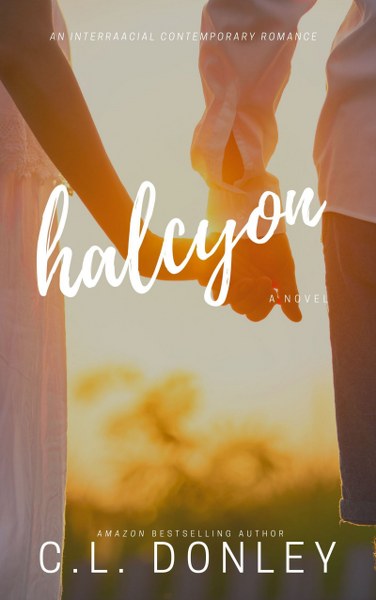
Spotlight on Halycon

I’m happy to welcome author C.L. Donley. Today, she shares her latest release, Halycon.

The Halcyon program has only grown in respect and mystique over their now fifteen years of matchmaking. When I went through it six years ago, they were still boasting 100% success of all the participants. Single, usually hopeless, candidates leave the program as part of a couple. The foolproof methods Halcyon uses to guarantee a soulmate comes from a blend of technology, biology, psychology, and, of course, sex. Naturally, with its high price tag, extensive, invasive testing, and painstaking process, only serious participants make it through, and everyone found success. Until us.

Goodreads * Amazon

What inspired you to write this book?

This book is about two characters that go to a program called Halcyon, which is this sort of intensive matchmaking service that’s 6-months long and is pretty expensive, so only well-to-do people can afford it, which both of these characters are. It really started out as a small kernel of an idea in my mind, and it’s the first book I’ve done that isn’t directly inspired by an existing trope. Which gave me a pretty big challenge because it’s much harder to get an audience to connect with a concept they haven’t seen before. Being original is not exactly a walk in the park! It’s much easier and simpler to write something already in line with people’s interests and expectations.

Which of your novels can you imagine made into a movie?

I’m very visual in my approach to writing, so I imagine all of my books as movies, down to the trailer and score, haha.

Where did you come up with the names in the story?

You know, I thought the names were really clunky at first, and I still do in some ways. The hero’s name is Cliff, and his best friend’s name is Felix. I have no idea where those names came from, but they started out as placeholders and never changed. I went through a few names for Bria, the heroine, before I settled on it. It was actually Nia for awhile. And her last name is Forrester. It took me a minute to Google that name because it was naggingly familiar. Turns out Nia Forrester is the name of another romance author. Who’s great, by the way. And then, while I was writing Bria’s mom’s dialogue, I just heard the nickname “Bri.” And I thought, “well Bria’s a pretty name.”

If your book was made into a film, who would you like to play the lead?

I used Adam Driver as the inspiration for the hero in Halcyon. For the heroine, I used a plus-size model by the name of Precious Lee. I spend a lot of time finding real-life inspirations for the physical descriptions of my characters, and sometimes to inspire their personalities. I use Pinterest to find visual inspiration for places and people. You can check some of them out at pinterest.com/cldonleyauthor/book-inspirations.

C.L. Donley is a future New York Times and USA Today Bestselling Author of multicultural and interracial romance, who believes romance novels that are impossible to put down are the only kind that should exist! Armed with a B.A. in English and M.A. in Writing, she is new to the romance game, having written her first novel, Amara’s Calling, after discovering the romance genre in September 2017. Donley writes in a style she calls “romantic realism” that is sophisticated yet simple, grounded yet unaplogetically escapist, and character-driven rather than plot-driven. This style creates a unique, modern reading experience ideal for book club discussions, personal epiphanies, satisfying re-reads, and the occasional spiraling reviewer! Love it or hate it, fans and critics alike can’t deny her talent, and always find themselves coming back for more!

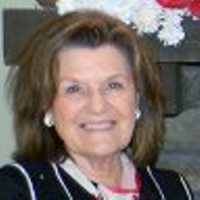
She loves hearing from readers and discussing her favorite parts of her own books, so feel free to indulge her.

Website * Facebook * Twitter * Bookbub * Amazon * Goodreads

Follow the tour HERE for special content and a giveaway!

It’s Never Too Late

Welcome to my Second Acts Series!

Today, we have award-winning author Barbara Bettis sharing her multi-act life.

Here’s Barbara!

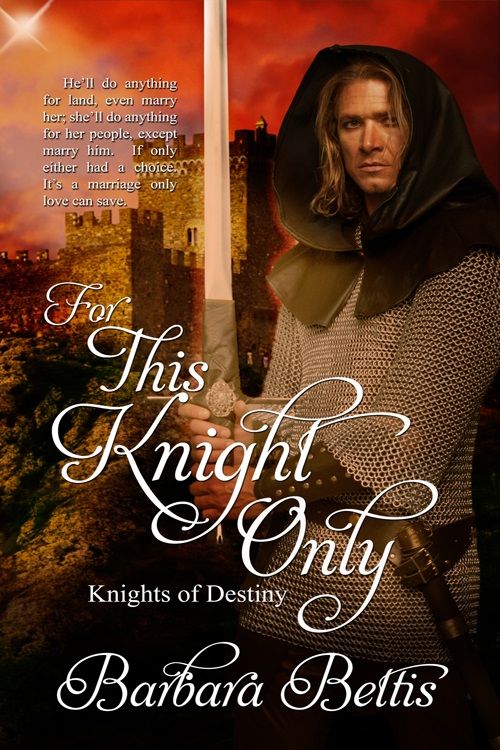
Thanks for having me today on your wonderful blog, Joanne. I’m sharing a little about my several acts in life, and a bit about my book that’s about to celebrate its First Birthday—For This Knight Only.
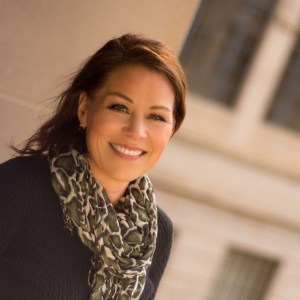
Act One

As a recently single mother of two sons and having just graduated with my bachelor’s degree, I was lucky enough—quite serendipitously—to stumble on a job with a daily newspaper in a town near where I’d gone to high school. The lure of small town (less than 6,000) life for growing children sealed and the fact my parents owned a farm near there were enough to seal the deal, so to speak. Didn’t matter that I’d always envisioned writing fiction.

There followed 12 years as reporter/photographer/sometimes editor. Although the town was relatively small, the paper served a large rural area comprising several other communities and schools. I have to admit, I absolutely loved the job, which included ‘stringing’ for the Kansas City papers and the Associated Press.

As my sons approached high school graduation, the intensity of the daily job after a dozen years began to tell. Small town life was a microcosm of city life and the demands could be stressful. I felt a change might be due. But what to do?

The years of newspapering added to my love of reading and made the decision pretty easy. I wanted to teach. So when my second son graduated, I moved to the other end of the state to return to school.

Act Two

Returning to college was a challenge. I had to remember how to write differently. That meant in essay form, with proper introductions and conclusions, and proper paragraphing. None of those one sentence paragraphs! Learning to writing newspaper style had been difficult—I had to give up the academic form and learn a whole new style. Now I had to relearn the academic format—but remember the journalistic format for my journalism classes and for teaching. And no matter how much I lobbied my literature professors, they weren’t favorably disposed to Associated Press style. (That blasted Oxford Comma!)

Two years later, though, I claimed my master’s degree and promptly found a job substituting for an English professor on sabbatical from an area four-year college.

Act Three

Luckily, when that professor returned from sabbatical, I was hired full time for English and journalism. The next several years were wonderful. I loved teaching and I continued to write occasional feature and news stories for area newspapers and magazines. Never thinking I would remarry, I met a great guy with whom I had so much in common. He was a retired newspaper editor and taught journalism at a nearby school. He supported me in a way I’d never experienced before. (He even joined me in some of my classes as I studied for my doctorate.)

Act Four

Much too soon, my husband fell ill and later died. As soon as possible thereafter I took early retirement from teaching, thinking I’d love the ‘life of ease.’ Not!

It wasn’t long before a friend and former student persuaded me to join her critique group. “You need something to do,” she insisted. So in self-defense, I began writing fiction. I’d always loved history, myths, learning about people who’d lived in earlier times. And, yes, some of the earliest tales I can remember reading were children’s stories about King Arthur and his Knights of the Round Table. So crafting a medieval book came naturally.

In the past few years I’ve taught English part time at a different local college, and have begun some editing for others. But best of all, I’ve continued to write historical stories about adventure, love, and happily ever after. Best of all, not one of my heroes dies way too early in life.

Any Affirmations or Quotations You Wish to Share?

Three, I think.

The first has been attributed to several people so I’ll just say it: Writing is easy. You just sit down at a typewriter (computer now) and open a vein.

The second is a paraphrase: Trust in God’s timing.

Third, from me: It’s never too late.

Blurb

He’ll do anything for land, even marry her; she’ll do anything for her people, except marry him. If only either had a choice. It’s a marriage only love can save.

Sir Roark will do anything to gain land, even beguile an unwilling lady into marriage. He knows she’s much better off with a man to take control of her besieged castle, to say nothing of her desirable person. But it isn’t long before he discovers that, although her eyes sparkle like sunlight on sea waves, her stubbornness alone could have defeated Saladin.

Lady Alyss is determined to hold her family’s castle, protect her people, and preserve her freedom— until her brother’s dying wish binds her to a stranger. Still, she’ll allow no rugged, over-confident, appealing knight to usurp her authority, even if she must wed him. Especially since he thinks a lady’s duties begin and end with directing servants. Alyss has a few surprises for her new all-too-tempting lord.

But when a common enemy threatens everything, Roark and Alyss face a startling revelation. Without love, neither land nor freedom matters.

Buy Links

Amazon | Barnes & Noble

Barb’s Books to Date

Knights of Destiny Series:

Silverhawk | The Heart of the Phoenix | The Lady of the Forest | For This Knight Only | A Winter Knight

Where to find Barb

Bookbub | Facebook | Twitter | Blog/Website

How to Interact with People Who Are Deaf or Hard of Hearing

I’m happy to welcome ASL Interpreter and author Kelly Brakenhoff. Today, Kelly shares valuable tips and advice about interaction with people who are deaf or hard of hearing.

Here’s Kelly!

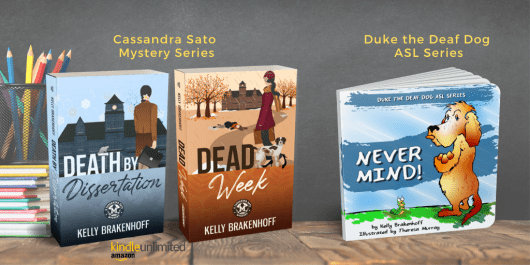
As an American Sign Language Interpreter with more than twenty years of experience, I’ve worked in college classrooms for fifteen different majors. I actually attend classes with the deaf students and overhear both the most inspiring and the most inane professors you could imagine. The academic world is the setting for my Cassandra Sato Mystery Series because it’s such a ripe environment for murder and mayhem. Today, I’d like to share tips and advice for anyone interacting with people who are Deaf or Hard of Hearing, and for writers who want to write about a character with a hearing difference.
1. USE the words “Deaf or Hard of Hearing” when referring to a person who was born deaf or hard of hearing or who lost their hearing later in life. Avoid using the words “Hearing Impaired” because calling someone impaired isn’t a positive description and can be offensive. My Deaf friends sometimes say, “I’m not hearing impaired. You are sign impaired.”

2. In your job, or when interacting on social media, consider whether your content is accessible to people with hearing differences. Caption your YouTube videos, please. Auto-captions are horribly inaccurate. Captions are very easy to add manually before you upload your videos and YouTube provides step by step directions on their help pages. An alternative is to provide a written transcript.

3. Not all deaf people can lipread. They do not have special visual superpowers because they can’t hear. Lipreading is hard and even the most skilled people catch an average of 30% of the conversation. Try turning off your TV volume and watching the news. How much do you understand what the announcer is saying without the volume?

4. People who are Deaf and Hard of Hearing are interested in more than just their ears. People who are born deaf don’t know anything different. They aren’t necessarily upset that they don’t hear music, birds, etc. They can drive. They have families. They can be doctors, lawyers, etc. Many of my friends say, “I can do anything except hear.”

5. Regarding technology: People who use hearing aids and cochlear implants are not cured. They use technology to maximize the benefit of what hearing they have left. Once the device’s batteries die or they remove the technology to go swimming, shower, or to sleep, they are still deaf or hard of hearing.

6. If you’ve met one deaf or hard of hearing person, you’ve met one deaf or hard of hearing person. Each person is an individual with different skills, needs, and communication styles. Most Deaf/Blind people can either see some or hear some. Helen Keller was very unique in that she didn’t see or hear at all. If you don’t know how they like to communicate, ask. Don’t be shy or afraid to approach them. Even fingerspelling your name and knowing how to sign “please” and “thank you” is appreciated.

7. Where can you learn American Sign Language and how hard is it to learn? Check out your local community college, or school continuing education program. Some churches with a large number of deaf members have classes or clubs and would welcome you. Learning ASL is just like learning any second or third language like Spanish or French. With practice you can learn everyday phrases for conversation, although it takes years of study to become fluent.

8. How can writers understand what it feels like to have a disability if they don’t personally experience that disability? For example, I’m short and left-handed. Neither of those are disabilities but thinking about it helps me write accurate characters. Could I imagine how it would feel to be turned down for a job because I’m short? Would I feel angry and frustrated because there’s nothing I can do about my height? As a left-handed person, do I understand what if feels like when the whole world is set up for other people and not for me? Yes, I do. Do people tease me or was I bullied as a child for being small? Yes. Use those feelings when you write characters who aren’t like you. Your feelings are real and universal, even if you experience them to a smaller degree. Amplify them for your story.

9. Should you use a sensitivity reader on your writing project? In my second book, I was worried that I’d gone too far by choosing controversial topics. I wrote strong dialogue for my Deaf characters, but I didn’t want them to come off like jerks. When I showed those sections to my Deaf friends, they overwhelmingly said, “Yes! This is exactly how we feel.” A friend gave me more stories to illustrate the point. One of those stories ended up in the book. I’m very grateful for their viewpoint and advice.

10. What’s the big thing I wish people understood about deafness? As a group, deaf and hard of hearing people are tired of always being the ones to bend to the majority of people who can hear. They feel like hearing people rarely bend to accommodate them. An example of how you can be more accommodating to people with differences is found in my children’s picture book, Never Mind. Duke the Deaf Dog doesn’t like it when people tell him “never mind” when he asks them to repeat something he missed. Maybe we could all be more patient instead of brushing aside people who have a hard time keeping up with the conversation.

Kelly’s Books

Buy Links

Death by Dissertation | Dead Week

Bio

KELLY BRAKENHOFF is an American Sign Language Interpreter whose motivation for learning ASL began in high school when she wanted to converse with her deaf friends. Her first novel, DEATH BY DISSERTATION, kicked off the Cassandra Sato Mystery Series, followed by DEAD WEEK. She also wrote NEVER MIND, first in a children’s picture book series featuring Duke the Deaf Dog. She serves on the Board of Editors for the Registry of Interpreters for the Deaf publication, VIEWs. The mother of four young adults and two dogs, Kelly and her husband call Nebraska home.

Website | Facebook Page | Goodreads | BookBub

On Writing Romantic Suspense

Writing romantic suspense involves the skillful juggling of romantic elements and nail-biting suspense. A daunting task but so rewarding when all the essential ingredients come together in a well-crafted, character-driven novel.

Here are eight tips:

• Ask yourself: what is intriguing about the premise? What will attract readers to the book? In Sue Grafton’s Alphabet Series, protagonist Kinsey Millhone is a twice-divorced private investigator who is permanently stuck in the 1980s. In the Gilda Greco Mystery Series, the protagonist is a teacher turned lottery winner who moves back to her hometown and then finds herself embroiled in murder investigations.

Continue reading on the Sisterhood of Suspense blog.