Virtual Book Tour: My Dearest Miss Fairfax

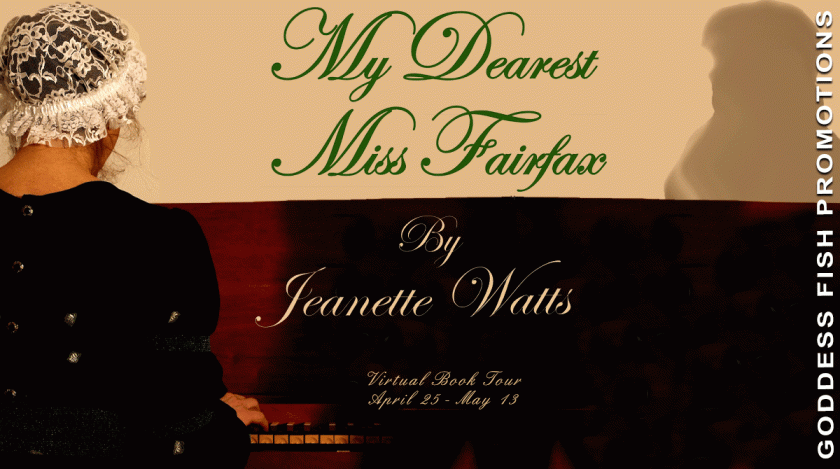
I’m happy to welcome author Jeanette Watts. Today, Jeanette shares ten important rules about dancing and her new release, My Dearest Miss Fairfax.
Here’s Jeanette!

I am a dance teacher. I teach belly dance, and swing, and tango, and foxtrot, and waltz, and polka, and any number of other historical dances. I started a French Cancan troupe and ran it for 20 years (it is now under the direction of one of the dancers from the troupe, and still going strong!). I adore moving to music, and I adore the process of teaching people to dance. It’s a beautiful, powerful process of self-discovery that everyone goes through when they learn to dance.

Every single one of my books has some dance references snuck in them. Which was really fun for my current book, “My Dearest Miss Fairfax,” because Jane Austen’s “Emma” spends a lot of time and attention to scenes that talk about all the decision-making that goes into throwing a ball. I laughed with recognition as I was re-reading the discussion about where to put the food, and will the hall be big enough, and where do we put the music, and who will be able to come/did we give the people on the invite list sufficient notice? I have those same conversations, all the time.

So, here is my contribution:

10 Important Rules About Dancing

1. Unless you really like performing, you can ignore all that “Dancing with the Stars” nonsense. Dancing is for everyone. It is something you do WITH people, not AT them.

2. The whole point of dancing is to create moments of meaningful contact with other people. It has been said over and over again: “no one cares if you dance well. Just get up and dance.” It’s true. Better to get up and try than to sit there like a lump and refuse to participate. It is actually spelled out in dance manuals in the early 1800s, “If you are not inclined to dance, don’t come to the party.” (Notice how that contrasts with Mr. Darcy’s behavior at the ball where we first see him! He is in violation of the social code of the time, and Lizzie’s indignation is more than just her injured vanity.)

3. Stop agonizing over mistakes. Dancing is done in the moment. The music goes on, so the mistakes are almost immediately part of the past, not the present. When something goes wrong, shake it off with a smile or a laugh and let it go. (Unlike Mr. Collins, who makes his dancing worse by constantly apologizing for the last mistake – which contributes to him making another one!)

4. A smile for your partner is worth more than you can imagine. If you are a beginner, there is nothing wrong with admitting to your partner that you are new at this, and a smile makes partners much more charitable to you than a frown. If you have been dancing a long time, remember what it was like to be a beginner who needed some reassurance. Go out of your way to make new dancers feel welcome: they will become your favorite dance partners soon, if they keep coming back. They won’t come back if you scare them away with a frown.

5. If you are going to a dance (English Country Dance for Jane Austen-era dances), try to get to the class ahead of time. If you are a beginner, you will feel much more comfortable having a preview of the material. If you are not a beginner, it is a kindness to go to the class anyway. Beginners learn faster with more experience points on the dance floor. And even for experienced dancers, it can be good to learn what the local dialect is. (Yes, dances have local dialects!)

6. Wear appropriate shoes. This is for safety as well as comfort. The wrong shoes get in your way while trying to dance, and it is easy to injure yourself while trying to dance in a pair of gym shoes. If your foot stops but your knee or ankle doesn’t, it’s not going to go well. Dance shoes slide along the floor as you push your foot along it. But you also don’t want something too slippery. Sliding so much that you are out of control is a great way to slip and fall and injure yourself in a different way.

7. There are lots of kinds of dancing in the world. Again, “Dancing with the Stars” and Arthur Murray studios don’t even begin to touch on the great, wide dance universe. Irish dancing means you get to dance to that fabulous bouncy Irish music, with minimal physical contact with other dancers, just shaking hands. Salsa dancing, and bachata, and Brazilian Zouk, and blues has a lot more physical contact. The last two are kind of like very, very fancy prom dancing. Give your partner a hug (who doesn’t want to go hug people after two years of quarantine!), now stay there and do some dancing. Scottish and English Country dancing, and their American cousin, contradance (the dances from Jane Austen’s books) are figured dances. Some footwork required, but less complicated than Irish dancing. The focus is on the figures. A line of couples go through the figures of the dance, and you dance with several people in the course of one dance. Each dance is a new configuration of usually 4-6 figures. Then you find a new partner, form new lines, and start a new dance.

8. Leading and following are two mechanical parts of a whole, not a judgement. Our modern world is a weird place. I have heard and read many a biased commentary upon leading and following. Generally, the idea is that following is a subservient role. This prejudice is often embraced as truth, and I’m sorry, that’s a completely ignorant attitude. No one says a musician is subservient because they are following the conductor.

There are simply two skill sets in partner dancing. The lead makes suggestions, the follow interprets them. Historically, the expectation was that men lead and women follow. But watch an episode of American Bandstand in the 1950s: there are plenty of girls dancing together. One of them is leading, one is following. They can even decide to trade roles in the middle of the dance. (One of my lovely dance friends from Massachusetts and I will trade roles back and forth many times over the course of one dance! It’s heaps of fun. Of course, it helps that he and I are both perfectly comfortable with both leading and following – we’ve both been dance teachers for a long time.)

Following is not in the least a passive skill set. You don’t just hang on and let your partner drive. You have to have a good frame, good footwork, and think quickly. Every small gesture might be a signal to lead a move. It is like playing defense in basketball. You are anticipating signals and body language and comparing what information you have available against all the dance vocabulary in your head, and making a decision upon how you intend to respond. You are doing this every 6 or 8 beats of music.

Leading means listening to the music, listening to your partner’s responses, and also checking the list in your head of all known dance vocabulary and selecting which ones fit the occasion. But just because you’re driving the car right now doesn’t mean that you are master and commander and your partner’s only job is to obey. You are making suggestions, not orders, and you are constantly adapting to this partner’s responsiveness. Dance is a PARTNERship.

9. Be courteous. This can take all kinds of forms. Don’t talk while the teacher is trying to teach. The person you are talking to probably wants to hear what the teacher is saying. If you are swing dancing, don’t do aerials in a crowded room. Save that kind of showing off for performances. No one will be impressed with you when someone gets hurt. Watch for “wallflowers.” I don’t care what gender role you are following; even if you are at a Vintage dance dressed in a hoopskirt and trying to be historically accurate with ball cards (which were not used yet in the Regency era), if someone has sat out two dances, go over and ask for a dance. Or send your spouse/significant other over to go ask that person for a dance. As a Vintage dancer myself, I like to use the phrase, “Are you sitting out on purpose, or would you care for a dance partner?” because I am living in a world full of gentlemen who will dance with me, even if their feet hurt and what they REALLY want to do is sit this dance out. I like to give them an “out” if they want it. It’s part of being courteous.

10.All dance communities are not the same. There are great dance communities full of wonderful, people, who are great playmates, and your life will be richer for having them in your world. But I have seen many, many toxic dance groups. I have watched dance teachers insult their students, tear down their egos, and then slowly give a little bit of praise now and then, making their students eager for those little nuggets of approval. Those students can pay a fortune in dance lessons, just to earn those little bits of praise that eventually rebuild their ego. It’s horrifying. I always warn my dance students to watch out for those kinds of groups and teachers. You don’t need to take that kind of abuse. It’s NOT you, it’s them. Walk away. Find someplace else to go dancing.

The most important thing that matters is finding a dance community that meets YOUR needs. If you want to perform, find dance groups that perform. If you don’t want people watching you dance, you don’t need to be on a stage. If you go to a swing dance, or an English Country dance, no one is watching you dance. Everyone is busy dancing. The people sitting on the side? They are wishing they were on the dance floor but they don’t have a partner. If you are competitive, studio ballroom and Irish dancing has a lot of competitions. If you are NOT competitive (that’s me. I do not acknowledge that anyone out there has the right to judge dancing. Get off your butt and dance, jerk!), there is a ton of dancing that’s done for fun, not levels and medals.
Blurb

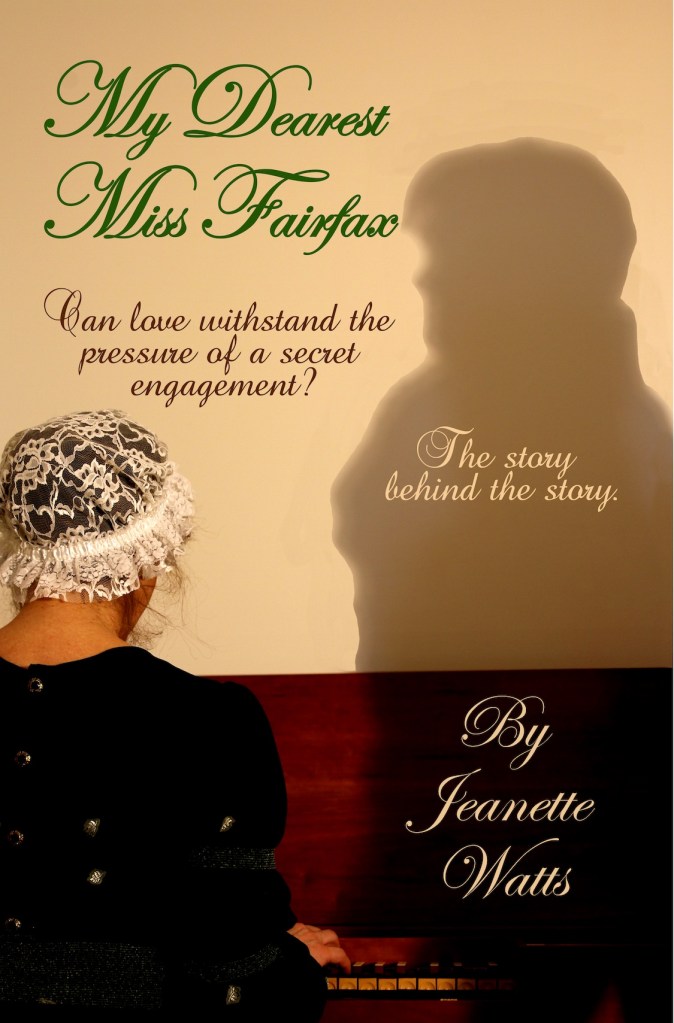
How much would you gamble for true love? Jane Fairfax dreaded her future as a governess. But genteel solitude seemed her fate. Then handsome, charming, rich Frank Churchill asked to marry her – IF his rich aunt agreed. If their secret engagement was discovered, Jane would be ruined. Frank seemed worth the risk; but the stakes got higher when the aunt refused her consent!

Excerpt

Mr. Churchill caught the end of one of the long ribbons from her bonnet, which were flying madly in the strong breeze. He toyed with it for a long while, then looked up into her eyes. “Do you believe in love at first sight?” he asked.

“No, I don’t suppose I do,” Jane answered. Her heart started beating harder. That was a lie. Maybe her breath was catching in her throat because she was lying: she fell in love with him the moment she saw him, rescuing the poor store clerk. Or maybe it was because he was standing so close to her, just on the other end of her bonnet ribbon. She felt her cheeks growing warm, and tried to talk herself out of blushing. He was not standing any closer to her than when they danced together, or sat on the same bench at the pianoforte. Why should it fluster her that he was wrapping the end of her bonnet ribbon around his fingers like that?

“Neither did I.” He tied a knot into the very end of the ribbon, then caught the other flying ribbon, and did the same to its end. “I thought love requires mutual respect and understanding, and complementary temperaments that can only be discovered with a judicious application of time and conversation.”

Jane hid her trembling hands inside her muff. She wished there was a way to hide the fact that she was trembling all over. “I understood you from the first moment I saw you,” she admitted, her voice little more than a whisper.

Author Bio and Links

Jeanette Watts has written three Jane Austen-inspired novels, two other works of historical fiction, stage melodramas, television commercials, and humorous essays for Kindle Vella.

When she is not writing, she is either dancing, sewing, or walking around in costume at a Renaissance festival talking in a funny accent and offering to find new ladies’ maids for everyone she finds in fashionably-ripped jeans.

Website | Facebook | Twitter | Goodreads | Pinterest | Instagram | Amazon

Giveaway

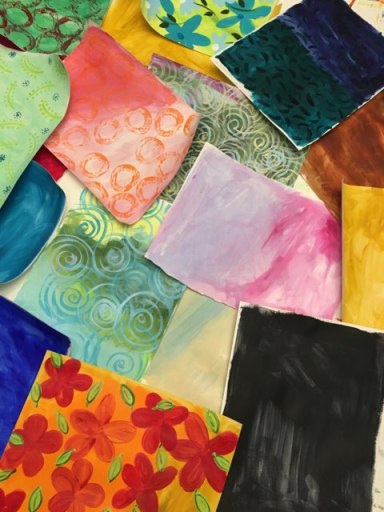
Jeanette Watts will be awarding a crazy quilt tea cosy to a randomly drawn winner via Rafflecopter during the tour. Find out more here.

Follow Jeanette on the rest of her Goddess Fish tour here.
Prioritize Your Peace

On Wednesdays, I share posts, fables, songs, poems, quotations, TEDx Talks, cartoons, and books that have inspired and motivated me on my writing journey. I hope these posts will give writers, artists, and other creatives a mid-week boost.

A long-time fan of bestselling authors and coaches Marc and Angel Chernoff, I look forward to reading their emails and blog posts. Here’s an excerpt from a recent email:

1. Prioritize your peace today. Some people will never understand, and it’s not your job to teach or change them. Don’t drive yourself crazy trying. Remember, learning to let go of certain expectations and detach from certain people, are two of the great paths to inner peace.

2. If you worry too much about what might be, or what might have been, you will miss what is. Truly, worrying is a misuse of your incredible present potential. So do your best to focus mindfully on what’s in front of you today. Allow yourself to grow from what you’re living through.

3. Breathe deep. Be present. Every day is a series of a million tiny miracles. Do your best to see them. Remind yourself that clarity comes with letting go of what you assume your journey is supposed to be like right now, and sincerely appreciating it for everything that it is.

4. As you inch forward, remind yourself, it’s far better to be exhausted from tiny bits of progress, than it is to be tired of doing nothing. Every step counts. Just keep doing your best, and don’t force what’s not yet supposed to fit into your life. When it’s meant to be, it will be…

The bottom line is, a mind well-trained with thoughts like these is one step ahead of the inevitable negativity life challenges us with. And we all need practice—lots and lots of practice. Because truly, the biggest and most complex obstacle we have to personally overcome on a daily basis is our own mind. Let that sink in. You aren’t responsible for everything that happens, but you ARE responsible for gradually and consistently undoing the self-defeating thinking patterns these undesirable experiences create.

Note: I highly recommend subscribing to Marc & Angel’s website.

10 Interesting Facts About My Protagonist – Chloe McIntyre

I’m happy to welcome back multi-published author Linda Bradley. Today, Linda shares ten interesting facts about the protagonist of her new release, Unbranded.

1. At the age of seven, Chloe McIntyre first appeared in my debut novel, Maggie’s Way. Chloe was a supporting character with a mission to make friends. She was also a supporting character in Maggie’s Fork in the Road, Maggie’s Montana, and A Montana Bound Christmas. In my new release—Unbranded, Chloe has grown into a determined young woman and is the star.
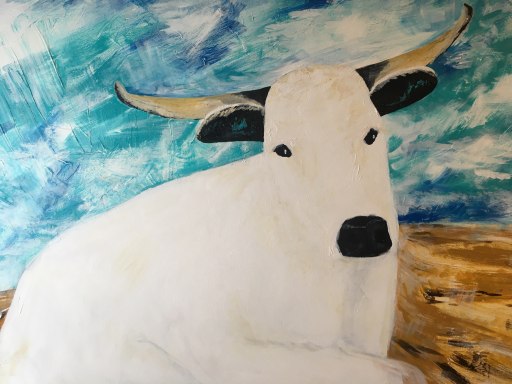
2. Chloe can ride and wrangler better than any hired hand.

3. Chloe would rather spend her life wrangling and ranching than being married and having a family.

4. Chloe was raised by her father and her grandfather on the family’s 617 ranch. Her relationship with her mother is rocky, and they rarely see each other. Chloe is everything Montana. Her mother is pure Hollywood. The two women spend more time trying to change each other than appreciating unique differences.

5. Chloe is like the Doctor Dolittle of her grandfather’s Montana ranch. There isn’t an animal that doesn’t love her.

6. Chloe is as close to the ranch foreman, Trout as she is to her father and grandfather. Their relationship consists of lively banter, honesty, and life lessons.

7. Chloe was not a strong reader growing up, but thanks to neighbor, Maggie Abernathy, now stepmom, Chloe loves reading and has developed an interest in poetry.

8. Chloe’s desire to be independent drives her ambition.

9. Chloe does not accept coming in second very well. Her box of childhood rodeo trophies is proof.

10. Chloe’s habit of taking in strays included taking in broken people. Despite her father’s request to limit the animals, Chloe’s heart does the talking when she meets an animal with purpose.

Blurb

Threatened by the unexpected, a devoted rancher refuses to compromise her ambition or her legacy.

CHLOE MCINTYRE is determined to become the co-CEO of her grandfather’s Montana ranch, but her father isn’t ready to become partners—yet.

Jaded memories of her parents’ shotgun wedding gone wrong cloud her attraction for best friend Matt Cooper when she discovers she’s pregnant—with his baby. Chloe believes raising a child isn’t in her genes, and she doesn’t expect a marriage proposal. She keeps her condition a secret to hold her position on the ranch and continue what she does best: wrangling strays and working alongside hired hands.

After her father announces his first choice for co-CEO, a wild ride jeopardizes the pregnancy, and Chloe questions life choices. Will the cowgirl grit she has inherited from her grandmother be enough to rein in her disappointment, or will she walk away from everything that could flourish into love?

Endorsement

“Linda Bradley’s magical manipulation of words creates a symphony in the reader’s mind, building lasting impressions to savor. If you love young women with grit and determination, then this is the story for you.” – Roni Hall, author of Montana Wild and Third Man on the Left

Buy Links

Amazon US | Amazon CA | Amazon UK | Amazon AU

Author Bio and Links

Linda’s inspiration comes from her favorite authors and life itself. Her character-driven stories integrate humor found in everyday situations, family drama, and forever love. Her distinct voice creates memorable journeys and emotion.

Linda’s been a finalist in the Booksellers Best Contest and Romance Reviews Readers’ Choice Awards. Linda lives in Michigan with her artist husband, sons, and rescue dog. Linda loves art, animals, and stories with hope and heart.

Website | Facebook Author Page | Book Bub | Amazon

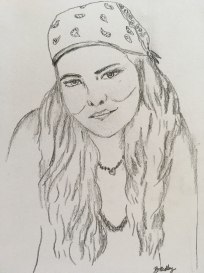
More Artwork by Linda Bradley

Living in the Moment

On Wednesdays, I share posts, fables, songs, poems, quotations, TEDx Talks, cartoons, and books that have inspired and motivated me on my writing journey. I hope these posts will give writers, artists, and other creatives a mid-week boost.

Here’s a thought-provoking excerpt from Heather Havrilesky’s best-selling book, How to Be a Person in the World:

Sometimes you have to let go of your shiny imaginary creations in order to give in to the magic of the real world, which is far more glorious and full of hope than it first appears. By filling our heads with fantasy worlds, we not only start to expect too much but we also become easily bored with the real world and its very real magic. Or, we imagine that we can only exist in the real world if we fill our heads with magical distractions. We create relationships that aren’t based on real compatibilities but on the crazy mixed-up tapestries that we ourselves constructed in our overactive minds.

Rich tapestries block out the magic of real moments. Rich tapestries block out real people—love interests, but also other people who matter. Rich tapestries compromise friendships, and they block us from our career goals, and they blot out the sun.

But controlling your brain is not exactly easy. You have to train yourself to romanticize a life outside of the fantasy and create a tapestry that’s just as rich. That requires a buoyant solitude that isn’t easy to achieve.

A few things that will make your alone time more buoyant: Inspiring music. A clean space. Regular, vigorous exercise. Great books. A nice bath. A wide range of beverages in your fridge. Friendly pets. Engrossing home projects. Your setting matters! You have to put a little energy into your surroundings when you live alone.

But this is also about living in the moment, isn’t it? That something we all have to learn to do, whether we’re alone or not. That requires powering down all of the fantastical imagined things few will have one day and just soaking in this moment instead.

Source: How to Be a Person in the World by Heather Havrilesky

A Unique Perspective on Camping

I’m happy to welcome back bestselling author Liz Flaherty. Today, Liz shares her perspective on camping and her new release, Life’s Too Short for White Walls.

Here’s Liz!

1. I don’t do it. But don’t think too much of that—I wish I did it. However, I’m at a time of my life that I want the hardest work I do on “off-duty” times to be deciding where we’re going to have dinner.

2. Camping creates the most beautiful memories. Decades after many camping weekends with my friend Shirley and her parents, I remember hayrides, firesides, cute boys, instant friends we walked campgrounds with, square dancers, and the most wonderful food.

3. Camping creates community. Shirley’s parents made and kept friends from among other campers. My daughter and son-in-law have done the same thing.

4. If you are camping in a tent a long way from restrooms, the first thing you will need to do when you lie down in your sleeping bag is go to the bathroom.

5. Campgrounds are fun to create for fiction titles. Believe me, everyone will want to go to Banjo Creek Cabins and Campground after they read Life’s Too Short for White Walls.

6. Glamping is a wonderful alternative to camping. Other than the fact that I think it would be a pain to haul or drive your house around with you, motor homes and travel trailers have lovely amenities to recommend them. I am frankly horrified at how much they cost, but then, I’m horrified by motel prices “in season,” too.

7. There is intimacy to camping. I’m a “heart on my sleeve” girl anyway, but sharing a campfire with girlfriends (and wine) must surely be one of the most therapeutic things in the world. My only experience with this is gathering around a fireplace at a writers’ retreat, but it was wonderful. Crickets in the background and a circle of lawn chairs would only make it better.

8. This may be a stretch, but I think a campfire creates a level playing field. Everyone smells like smoke. Designer jeans, sweatshirt, and windbreaker don’t look any better than the ones off the clearance rack at Walmart. If it’s rained—which it usually does while camping, doesn’t it? —everyone’s hair is frizzy and hastily applied lipstick looks the same whether it cost $25 or $3.99 a tube.

9. You don’t have to like hot dogs or marshmallows to like roasting them, nor do you have to like s’mores to enjoy squishing them together for a kid waiting anxiously for you to hand it to them.

10. The lyrics to Cole Porter’s “Don’t Fence Me In.” Yes, those. I was so surprised when the setting of Life’s Too Short for White Walls was a campground. It was intended to be Joss’s grandparents’ farm, but somewhere between her adolescence and her search for a safe place half a lifetime later, it became a campground owned by a retired helicopter pilot and college professor Ezra McIntire. I was also happy. I love their story. I hope you do, too.

Blurb

Still reeling from her divorce, Joss Murphy flees to Banjo Bend, Kentucky, where she’d been safe and happy as a child. The family farm is now a campground. Weary and discouraged, she talks owner Ezra McIntire into renting her a not-quite-ready cabin.

With PTSD keeping him company, Ez thrives on the seclusion of the campground. The redhead in Cabin Three adds suggestions to his improvement plans, urging color and vibrancy where there was none.

Neither is looking for love, yet the attraction they share is undeniable. Can the comfort of campfires, hayrides, and sweet kisses bring these two lost souls together?

Buy Links

Amazon | Barnes & Noble | Apple Books

Author Bio and Links

Liz Flaherty is rather bewildered by where she’s at in life. She doesn’t feel…er…elderly, but the truth is that she is. The Magnificent Seven grands have grown up on her, her own kids are all now older than she is, and her husband Duane has the same firm hold on her heart he’s always had.

Website | Facebook | Twitter | Newsletter Signup

Giveaway

Liz Flaherty will be awarding a $5 Amazon gift card to a randomly drawn winner via Rafflecopter during the tour. Find out more here.

Choose the Right Mindset

On Wednesdays, I share posts, fables, songs, poems, quotations, TEDx Talks, cartoons, and books that have inspired and motivated me on my writing journey. I hope these posts will give writers, artists, and other creatives a mid-week boost.

A long-time fan of bestselling authors and coaches Marc and Angel Chernoff, I look forward to reading their emails and blog. Here’s an excerpt from a recent email:

Sometimes changing your situation isn’t possible—or simply not possible soon enough. You can’t get a new job in an instant. You can’t make someone else change his or her will. And you certainly can’t erase the past. But…

You CAN always choose a mindset that moves you forward. And doing so will help you change things from the inside out, and ultimately allow you to grow beyond the struggles you can’t control at this moment.

Here’s a powerful question that will support you with a positive attitude adjustment when need it most:

Who would you be, and what else would you see, if you removed the thought that’s worrying you?

Think about it…

Identify a specific thought that’s been troubling your worried mind lately, and then visualize how your life would be different if you removed this thought.

How would it change your outlook on your present life situation?

What other possibilities and opportunities would you see?

What else would you be able to accomplish with this shift in your focus?

Note: I highly recommend subscribing to Marc & Angel’s website.

Virtual Book Tour: horse/man

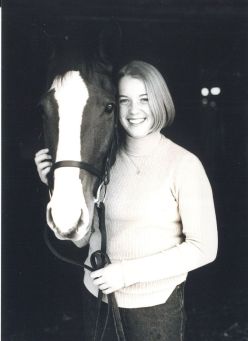
I’m happy to welcome equestrian and author Julia Merritt. Today, Julia shares equine tips and her debut novel, horse/man.

1. Horses are wonderful creatures with far more intelligence and ability than they have been given credit for. There’s new research coming out every day that illuminates difference facets of their capabilities, and a growing number of equestrians who want to honour and work with horses as partners using their language and perspective.

2. Horses are a mirror of ourselves, and they will teach the humans that interact with them – whether the humans want to learn or not! If you become involved in horses, make sure you invest in some serious self-reflection. The journey is very rewarding.

3. There’s a discipline for everyone! Whether you prefer the adrenaline rush of galloping over fences cross-country, or having a quiet walk together, there are a multitude of option. You don’t even have to ride to be involved and find great joy in them.

4. There are many ways to participate as an athlete, and you don’t have to own a horse to do it. You can take lessons and book extra practice rides, lease a horse owned by someone else, or even find an arrangement to trade stable work for riding time.

5. Horses may seem like a thing of the past, but there are millions in North America, and there’s undoubtedly a community of horse people near you. If it’s not the discipline you like, they can probably refer you to the right people in the area.

6. The financial costs of being involved in horses are scalable to many levels of income. The glittery photos from the top levels of the sport may look intimidating, but there are many ways to contain the costs – and having to count our pennies is more common than you may think.

7. Horse people can be a little eccentric, often preferring animals to humans. If you find someone who’s unfriendly or bad at business, don’t let it spoil your whole experience of the sport. There are many people who are trying to make the sport more welcoming, so pay the crusty ones no mind and find someone who cares about new riders.

8. Equestrian sport is something that a person of any age or ability can do. Riders can be eighty years old, have a physical disability, be two years old, or anywhere in-between. Not every horse or stable can help every rider, but once you find the right match, it is a wonder. The horse equalizes and unites us.

9. Horses are livestock, not house pets. They have physical and mental needs that are very different from dogs and cats, and these must be respected. When people ignore those needs, the animals struggle.

10. Horses will captivate you. You can spend a lifetime learning about them. They will delight you and break your heart, but the effort is worth it.

Blurb

What happens when your entire identity revolves around a way of life that is becoming obsolete?

In the 1920s, as Canada progresses through the Industrial Revolution, horses are still the rural engines of survival. As a child Adam lives this reality on his family’s farm in the Ottawa Valley, planning to take over one day and have a family of his own. When his parents die during the Great Depression, nineteen-year-old Adam is disinherited in favour of his brother and is forced to move to the city to find work. Without a formal education his choices are few, yet he finds a place to use his horsemanship skills in the dwindling forces of the Canadian cavalry based near Montreal. There he finds pride in being a mounted soldier, and friendship with his fellow dragoons. But the cavalry units are mechanized by the beginning of World War Two, and when Adam is sent to Europe, he must abandon his equine partners for trucks and tanks. In the catastrophic experience of war, he will lose everything once again.

Broken in body and spirit, he returns to Canada where he must confront the question of survival in a world that doesn’t seem to have a place for an injured soldier. Full of poetic reflections on what it means to work with horses, horse/man is a powerful story about a man searching for dignity and connection in the face of a rapidly shifting world.

Excerpt

Adam got onto his knees for a better view, holding on to the side of the wagon.

The car revealed itself to be a shiny Model T. Perhaps the driver, like the horses, could not resist the lure of moving in the sunshine. Adam watched the car bump slowly over the ruts, advancing towards them. Grey smoke wisped behind it.

Ciaran slowed the team to a walk, and they could hear the engine, a hum that grew to a rumble. Pete and Jack jerked their heads as it got close, banging into each other.

“Go on, get up,” Ciaran growled. The horses’ ears twisted sideways and forwards, trying to decide between the driver or the instinct to flee. The wagon’s tongue rattled as their legs jostled.

The car driver slowed and lifted his hand as he passed the wagon. Ciaran raised his hand in response, the other clenched on the lines attached to Jack and Pete’s gaping mouths. When the car had gone safely by, he reached over, picked the buggy whip out of its holder, and smacked each rump with the corded lash.

“Go on, trot!” he commanded, loosening the lines. The team straightened out and carried on with their jobs. Adam stared at the receding vehicle, wrinkling his nose at the stench of the fumes.

Buy Links

Amazon US | Amazon CA | Indigo | Barnes & Noble | Book Depository | Smashwords

Author Bio and Links

Julia Merritt has been captivated by horses ever since she could see out of the car window. Then she grew up and became a public library CEO and certified animal bodyworker. She lives in Ontario, Canada, with her thoroughbred horses and smooth collie dogs. This is her first novel.

Connect with Julia Merritt:

Website | Facebook | Instagram | TikTok | Goodreads

We’re giving away 100 e-copies of horse/man, the new historical fiction novel by Julia Merritt. Don’t miss your chance to win! Click to enter here.

Giveaway

Julia Merritt will be awarding a $15 Amazon/Barnes & Noble gift card to a randomly drawn winner via Rafflecopter during the tour. Find out more here.